

VoIP is an efficient and flexible solution that can be the best fit for businesses of all sizes. But there are some VoIP misconceptions and myths that they are unreliable, expensive, and complex to install.
But, Voice over Internet Protocol (VoIP) is similar to regular phones, but uses an internet connection to make communication.
In reality, it is the simplest, easiest, and reliable way to communicate. Here, in this blog, we will discuss some of the VoIP myths and debunk them.
✨ Key Takeaways
- The myth that VoIP technology is unreliable is false, but in reality, it is one of the most reliable solutions with 99.999% uptime.
- VoIP can offer more security through encryption protocols and secure data transmission, making it harder to intercept conversations compared to traditional landlines.
- VoIP is often seen as expensive but it’s more cost-effective than traditional phone systems since it doesn’t require hardware devices & reduces the maintenance costs.
10 Common VoIP myths and the facts about them
Voice over Internet Protocol (VoIP) has revolutionized business communications by making efficient, cost-effective, flexible calling available to all. Still, a cloud of myths continues to linger around VoIP, holding some businesses back from upgrading.
Let’s debunk the most common VoIP myths and misconceptions:
1. VoIP systems are less secure
The concern that early VoIP technology isn’t secure is a common misconception, especially given the hefty average cost of data breaches in the U.S, which was USD 9.36 million in the previous year, and now surpasses USD 10.22 million.
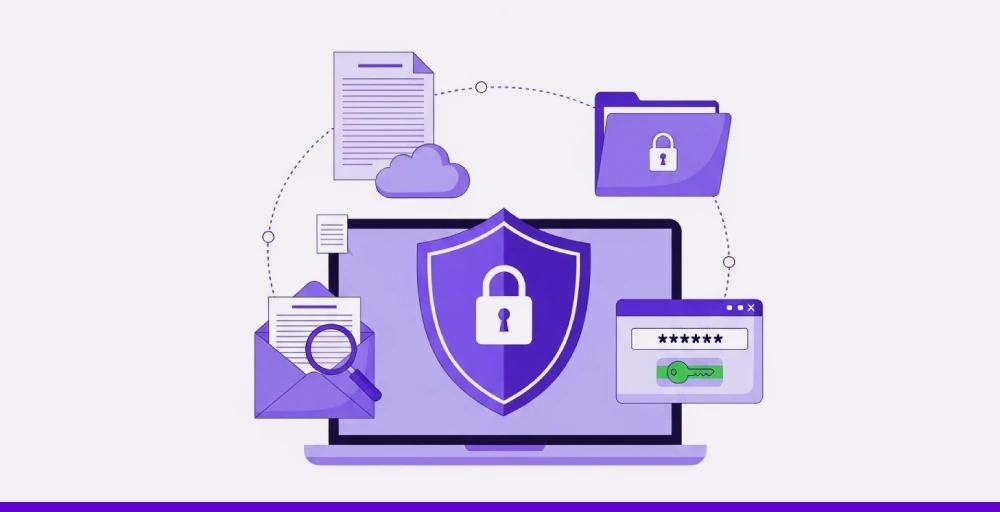
While worries about call eavesdropping are understandable, in reality, VoIP is as secure, or more secure, than traditional landlines or the Public Switched Telephone Network (PSTN) due to encryption.
Modern VoIP phone systems offer advanced security features like two-factor authentication (2FA), call encryption, detailed logs, and additional network protection tools such as a VPN for Windows to secure VoIP traffic on desktop devices.
Many providers also hold PCI, SOC 2, and HIPAA compliance. Plus, your provider manages the PBX system and firewall.
2. Usually, nobody uses VoIP
You are probably using VoIP in your daily life, whether knowingly or unknowingly. This technology, which has been around for over two and a half decades, is what enables internet calls on popular apps like WhatsApp and Zoom.
Even everyday actions like connecting with your Swiggy or Uber driver happen thanks to VoIP. Those real-time messages and calls are powered by a sophisticated VoIP platform known as CPaaS (Communications Platforms as a Service).
Consider that VoIP users reached USD 132.47 billion in 2023, a figure that helps explain why the VoIP services market is projected to reach an impressive USD 326.27 billion by 2032 (Fortunebusinessinsights). More people are relying on VoIP than you might imagine, and that includes your potential customers.
3. VoIP only for tech-savvy companies
The idea that Voice over IP (VoIP) is exclusively for tech companies with dedicated IT departments is a widespread myth.
In reality, it is used by a wide range of businesses in nearly every industry, from call centers, law firms, contact center solutions, home service bakeries, and car dealerships, who are successfully using VoIP for their business communications.
Apart from these, the healthcare industry also uses hosted VoIP phone systems. They are HIPAA compliant, which keeps all medical information transmitted through their network safe and secure.
Leading VoIP providers guide you through the entire setup process, allowing you to use your current phones, buy new ones, or even go completely phoneless.
Ultimately, businesses across various sectors are embracing VoIP for clear advantages, faster employee onboarding, reduced IT expenditures, and seamless scalability. VoIP truly offers valuable benefits for businesses of all types and sizes, extending far beyond the tech world.
4. VoIP isn’t reliable for business use
While choosing a business phone system, you are always concerned about the reliability of the system you plan to buy. So, if you have a high speed internet connection, then VoIP can be the best option for your business communication, as it has 99.999% uptime.
In case your internet gets cut off in the middle of conversations, you can easily forward your dropped calls to landline phones or laptops that are connected to Wi-Fi.
5. VoIP offers low call quality
Call quality is a key factor that should be considered primarily when you plan to convert callers into potential customers.
As most consumers use phones to reach out to businesses, there is a high chance that you can lose business if you have poor call quality or if callers are unable to listen to your calls.
But with a stable broadband connection and bandwidth of 100Kbps, VoIP actually delivers HD voice calling quality that usually surpasses old analog phones.
Modern VoIP systems have great noise-canceling features that can significantly help to improve the voice quality and customer experience.
6. VoIP is expensive
Though VoIP is considered costly, it is actually less expensive than traditional phone systems.
The price of a VoIP phone system is based on the system, features, or users you can add. You can easily price your plan or get the pricing plans based on a monthly, annual, or pay-as-you-go plan.

VoIP reduces the communication expenses by half as it saves on the purchase cost and maintenance fee of hardware devices.
Apart from these, VoIP offers modern features (voicemail, call routing, video conferencing) and no extra charges for long-distance or additional users.
7. Complicated to install a VoIP system
VoIP is known as modern communication technology, but it is not so difficult to install and manage it in your phone systems.
In the past, you needed the help of experts, but now these VoIP systems are easy to set up and can be easily installed within a few minutes.
You only need to have a reliable business phone service provider that handles the setup and installation of your system and a stable internet connection, based on the needs of the business.
Apart from these, there are VoIP desk phones also available, which you can just plug in and get back on track. Also, you can add as many phone lines, locations, and features during the installation time.
8. Can’t keep existing numbers with VoIP
Leaving your existing phone numbers while shifting carriers is now over. Thanks to Federal Communications Commission (FCC) regulations, you are free to use your existing phone numbers.
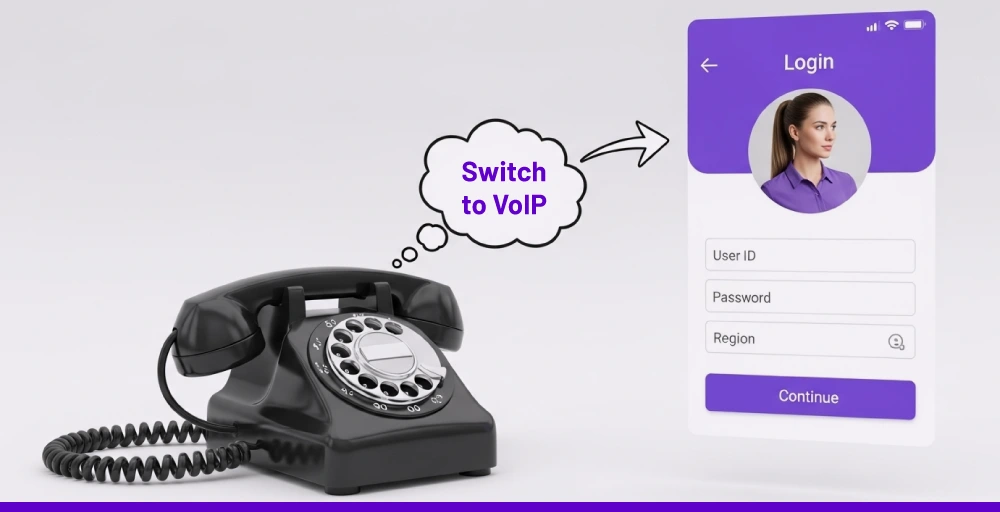
With VoIP phone service providers’ phone number porting feature, you can port (and keep) your business, wireless, landline, traditional phone lines, or virtual phone numbers freely when you switch to VoIP. Migrating is quick and guided by your provider.
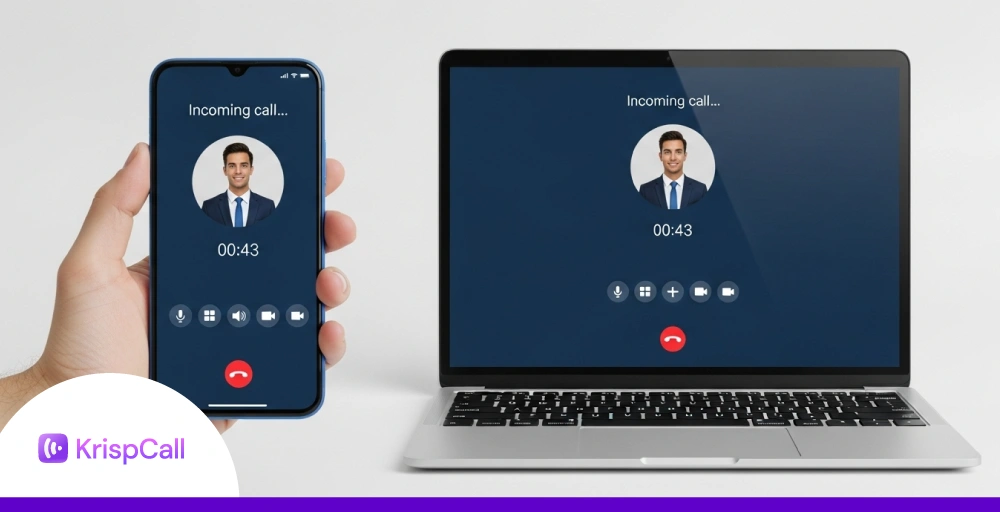
You can easily log in to your system and make and receive phone calls from your personal phone, laptops, mobile devices, or desktops that have VoIP call compatibility.
9. VoIP doesn’t support your existing devices
To use VoIP, you don’t need to buy any new hardware; you can easily integrate it with your existing devices. You can connect a VoIP phone using analog telephone adapters (ATAs) to regular phones to continue using a traditional phone system.
Additionally, to exchange documents via email, you can move your fax machine to an online faxing service. They are not so cost-effective, so you need to add some cost, but VoIP devices are affordable.
10. VoIP requires high-speed internet
Each VoIP line typically requires a minimum of 100 Kbps internet speed to upload/download or to get a good VoIP call quality.
Even small businesses with decent internet connections, such as those with less than 15 Mbps, can also get reliable VoIP solutions. You can easily perform an online speed test to check whether your network connection is suitable for Voice over IP.
As these VoIP phones work online, they do not go down during power outages as long as you have an internet connection.
Upgrade your calling experience with KrispCall VoIP!
As these myths about VoIP are debunked, it’s clear that switching to a VoIP phone system for business provides flexibility, reliability, and cost-efficiency.
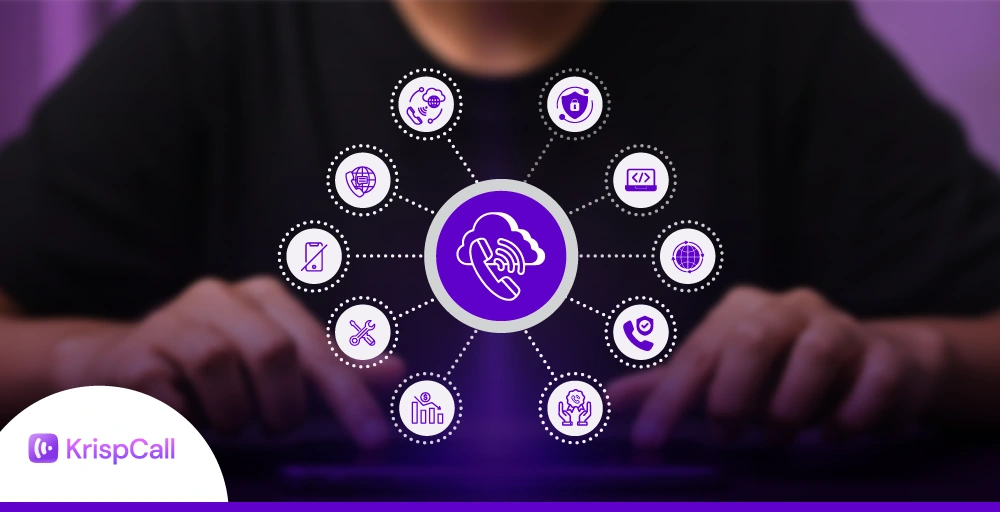
KrispCall is a leading VoIP service provider designed to simplify your conversation needs. Whether you’re a small business or a growing enterprise, KrispCall offers powerful features like global calling, number porting, call forwarding and routing, multiple phone numbers, multi-device compatibility, advanced security, encryption, and many more.
With easy setup, 24/7 customer support, and flexible pricing plans, KrispCall ensures you get a seamless, professional calling experience without the hassle or high costs of traditional phone systems.