


In today’s connected world, keeping your personal phone number private can be a real challenge. Whether you’re selling items online, signing up for dating apps, or running a business, using your main number can expose you to spam, robocalls, and unwanted attention. That’s where an alternate phone number becomes incredibly useful.
An alternate phone number gives you a second line, either on the same phone or in an app, that helps protect your privacy and separate your professional and personal life.
These alternative phone numbers can be bought from virtual number providers, and you don’t need a SIM card or an extra device to use them.
In this article, we’ll explore what is alternate number is, the different types available, why you might need one, and how to set it up.
✨ Key Takeaways
- An alternate phone number lets you separate personal and business communication so you can protect your main number while handling professional calls and customer interactions more efficiently.
- Alternate numbers can be virtual or SIM-less and are useful for businesses because they make it easy to make and receive calls without needing a physical phone line, helping improve flexibility and accessibility.
- Using an alternate phone number enhances privacy and organization, allowing users to manage incoming and outgoing calls separately and present a more professional communication setup.
What is alternate number?
An alternate phone number is a secondary number that can be used alongside your primary mobile or landline number. Alternative phone numbers don’t need a SIM card from a telecom carrier; instead, you can get them from a virtual phone number provider like KrispCall.
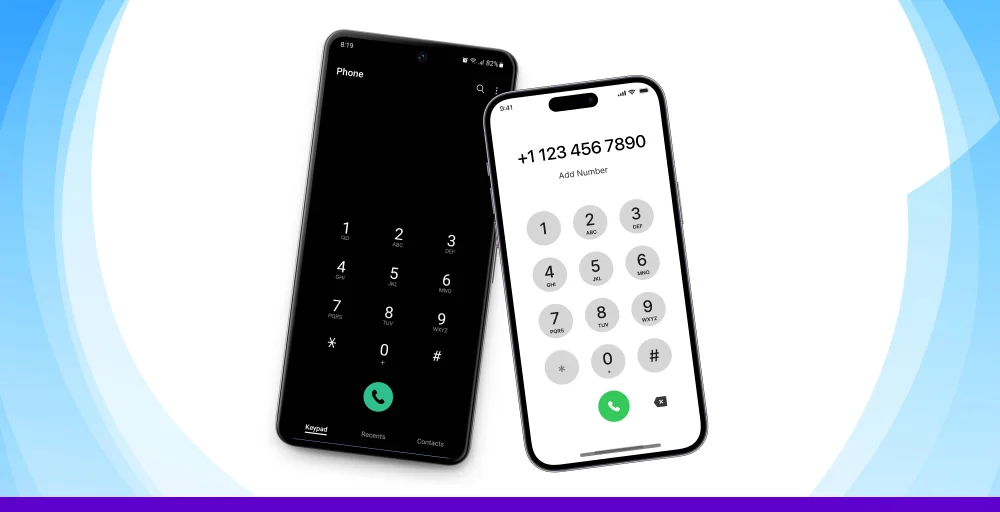
Since an alternative number is virtual, you can use it on any device, like a mobile, PC, or tablet, to make and receive calls. You just need to install the Android, iOS, Windows, or Linux app provided by your virtual phone system provider.
It functions just like a regular number, allowing you to make and receive calls, send texts, and sometimes even access voicemail, but it’s kept separate from your main number.
Alternate numbers can be:
- Physical (SIM-based): a second SIM card in dual-SIM phones.
- Virtual phone number (VoIP-based): created through apps or online platforms that don’t require an extra SIM.
A virtual phone number allows you to use multiple numbers from a single mobile or desktop app. The cost of a virtual alternate number usually ranges from $10 to $60, based on the features offered.
This type of number is often used to protect your identity, streamline work communication, or separate different parts of your life.
How It Differs From Your Primary Number?
Your primary number is typically tied to your personal identity — shared with family, banks, schools, and social media accounts. Using it in public or on untrusted platforms can open you to:
- Telemarketing spam
- Data leaks
- Unwanted contacts
In contrast, an alternate number acts like a buffer, giving you the flexibility to engage in activities (business, travel, dating, online selling) without risking your core identity.
Related 👉: Can You Have Two Phones With the Same Number
Why You Might Need an Alternate Phone Number?
An alternate phone number is basically a second identity line you can share publicly, while keeping your main number private. People use it for a few repeatable purposes:
Protect privacy on apps and websites: If you’re signing up on sites you don’t fully trust, or apps like Telegram or a dating platform, an alternate number helps reduce privacy exposure and keeps your real number away from data brokers and leaks. Think of it as a public-facing contact layer.
Reduce spam and unwanted calls: Once your primary number ends up in marketing lists, you’ll start seeing spam calls and scam texts. Using an alternate number for signups, online forms, and listings helps keep your “main” line clean. If the alternate gets spammed, you can switch or deactivate it.
Separate work and personal life: Freelancers, founders, and teams often need a business-ready number without carrying another phone. A dedicated alternate line helps you keep boundaries (and look professional) while still responding fast.
Real-life practical cases:
- Online selling (marketplace listings): talk to buyers safely
- Dating: share a temporary number until trust builds
- Travel: use a second number for local services and bookings
- Delivery backup: some platforms ask for an “alternate contact number” for missed calls (different from an identity/protection number)
Types of Alternate Phone Numbers
Not all alternate numbers are built the same. Choosing the wrong type can lead to frustration, especially if you need WhatsApp verification, OTP codes, or long-term reliability.
1) SIM-based alternate numbers
This is the “classic” approach: you buy another SIM and get a second number. It is ideal for individuals seeking a genuine secondary identity that works everywhere, as well as users who require reliable verification codes. This alternative number is suitable for those users who mostly use banking apps or services that reject VoIP numbers.
2) eSIM-based alternate numbers
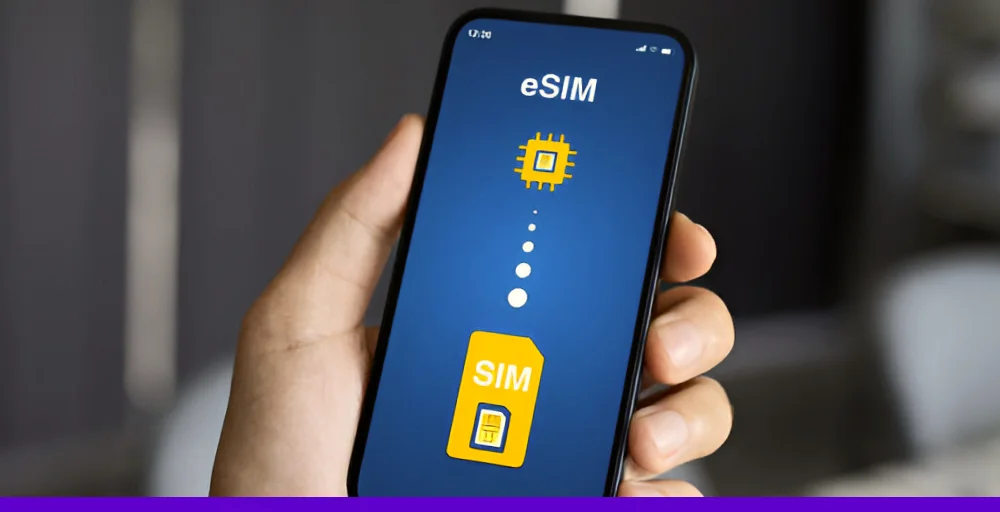
eSIM lets you add another plan digitally, no physical SIM tray required. Many iPhones support Dual SIM using a physical SIM + eSIM, and newer models support two eSIMs. It is suitable for iPhone users who want an alternate number without carrying another phone. Also, travelers who need a second line temporarily, and people using Samsung/Android devices with eSIM support.
3) VoIP / virtual phone numbers

A virtual number is app-based (cloud telephony / VoIP). You can call and text through the app, often from multiple devices. It is mostly used for teams and businesses needing a scalable phone setup, and people who want a separate number instantly. Before you invest in a virtual alternate phone number, some platforms don’t send OTP/2FA SMS to VoIP numbers. So if your goal is WhatsApp verification or banking 2FA, you’ll want to test first.
4) Disposable / temporary numbers
These are short-term numbers meant for quick signups or one-time interactions. It is best for:
- Selling something once
- Signing up for a site you don’t trust
- Avoiding spam when you just need “a number” for a moment
5-Step Checklist for Choosing an Alternate Phone Number
1. Choose the right type of alternate number: Start by identifying which number format fits your needs. Local numbers help establish trust and regional presence, toll-free numbers are useful for customer support, and international numbers support global communication. The right provider should clearly offer the number types that align with how and where you plan to use your alternate phone number.
2. Check call quality and reliability: An alternate phone number must deliver clear and stable calls. Before committing, test voice clarity, connection stability, and common issues such as delays or call drops. Trial access is especially useful for confirming whether the service can handle regular or business-critical calls.
3. Review essential call features: Beyond basic calling, look for features that improve control and efficiency. Call forwarding, voicemail access, call recording, and team call handling are important for business use, while personal users may prioritize simplicity.
4. Confirm number portability options: If you plan to keep an existing phone number as your alternate line, check whether number porting is supported. Understanding the transfer process, eligibility, and timelines helps avoid downtime and ensures continuity, especially when customers already recognize the number.
5. Compare pricing and long-term value: Pricing should match both your usage and growth plans. Some providers bundle advanced features into higher plans, while others charge separately. Reviewing renewal cycles, add-on costs, and usage limits helps ensure the alternate phone number remains cost-effective over time.
How to Get an Alternate Phone Number in three Steps?
To get an alternate phone number, you need to follow these simple steps:
- Create your KrispCall account in a few quick steps.
- Select the alternate number for any country or city. You can choose a local, international, or toll-free number.
- After setting up your plan, download the KrispCall app on iOS, Android, or use the web version to start calling, texting, and managing your calls from one place.
That’s all! Once set up, you can begin using your alternate phone number. You can also customize your phone menu, voicemail greeting, and other settings to maintain a professional image.
Best alternate phone number providers in 2026
The best alternative phone number app depend on your business size, budget, and feature needs.
Here is a list of the 7 best alternate phone number apps to consider while getting alternate numbers:
| Providers | Starting price | Key features | Alternate number support |
| KrispCall | Starts at $15/user/month | Unified Callbox, global calling, live call monitoring, custom caller ID, call routing | Multiple SIM-less numbers per user |
| Grasshopper | Contact sales | Call forwarding, extra extensions, voicemail transcriptions, VoIP/WiFi calling, Ruby receptionist | One main number with multiple extensions |
| Openphone | Starts at $19 per user/month | Group calling, AI call summaries and transcripts, custom ring orders, AI call tags, priority live chat and email ticket support | Multiple numbers per user |
| RingCentral | Starts at $30/user/month | IVR & call routing, AI video meetings, team collaboration rooms, auto call recording, real-time Quality of Service (QoS) analytics | Add/assign multiple numbers per extension |
| Google Voice | Starts at $10 USD/user/month | Unlimited text messaging in the US, call forwarding, multi-level auto attendant, voicemail transcription, advanced reporting (BigQuery) | One number and a second number via port-in/upgrade |
| Dialpad | Starts at $27/user/month | Hold queues, automatic spam call detection, contact syncing,real-time analytics & reporting,meetings & voicemail transcription | Add multiple numbers per line, specifics vary by plan |
| Vonage | Starts at $19.99/month/r extension | Unlimited domestic calling, call groups, call blocking, AI virtual assistant, team messaging | Virtual numbers and second line numbers |
Why KrispCall is the best option for alternate phone number?
Getting an alternate phone number is a smart choice if you want to keep your personal number private, stay organized, and avoid unwanted calls. It helps you separate work from personal life without needing a second phone or SIM card.
Whether you’re freelancing, running a business, or simply signing up for online services, an alternate number keeps your main line organized and secure.
KrispCall stands out because it lets you get a second number in minutes and gives you features like AI replies for missed calls, call forwarding, call blocking, IVR, auto-attendant, call analytics, and more. It works smoothly from your phone or computer, making it a reliable and convenient option for anyone who needs an alternate number.