



Your customer journey is no longer linear; it spans the website, chat, social media, and the contact center. If your customer data is siloed, the experience is fragmented, and customers feel the friction.
Customer experience analytics (CXA) is the solution to this complexity. It unifies and analyzes data from every touchpoint, helping you understand what creates a seamless, low-effort experience. IT connects customer actions, sentiment, and key business outcomes.
In this definitive guide, we break down what CXA is, its key metrics (such as NPS, CSAT, and CES), and how to implement it effectively to increase retention and lifetime value (CLV).
✨ Key Takeaways
- CX analytics is the process of collecting and analyzing data from all customer interactions to understand behavior, identify pain points, and improve customer satisfaction and loyalty.
- The key elements of customer experience analytics are collecting and analyzing data, customer journey mapping, and tracking key metrics.
- Metrics to track for cx analytics are customer satisfaction score (CSAT), churn rate, customer effort score (CES), NPS, and customer journey analytics.
What is customer experience analytics?
Customer experience (CX) analytics is the process of collecting and analyzing data from how customers interact with a business across digital channels and offline touchpoints. This process helps businesses understand how customers behave, what they feel, and how engaged they are at each step of their journey.

By leveraging CX data analytics, organizations can uncover insights into what’s working, identify opportunities, friction points, and make data-driven decisions that enhance customer satisfaction, loyalty, and revenue.
For example, a contact center can review call transcripts, transactional data, survey responses, and online interactions to identify common problems, such as long hold times or confusing processes.
With this information, the contact center team can create targeted training or automate issue resolution to fix issues more quickly. This helps improve customer satisfaction and repeat customers.
Key elements of customer experience analytics
The key elements of customer experience analytics include collecting and analyzing data, mapping the customer journey, and tracking call center metrics to identify pain points and improve overall customer experience. They are:
- Collecting and analyzing data: This includes direct feedback from CSAT, NPS, CES, and VoC, as well as indirect behavioral data from AHT, CLV, churn rates, and social listening.
- Mapping customer journey: Identifies all touchpoints from websites to in-app experiences, phone calls, social media, and digital interactions, to visualize how customers move through your business.
- Tracking key metrics: Monitor KPIs that indicate customer satisfaction, effort, loyalty, and retention to guide improvements.
Benefits of analyzing customer experience data
Whenever customer experience and call analytics come together, any business can gain a holistic view of customer interactions.
Here are some of the major benefits of analyzing customer experience data:
1. Deeper customer insights
CX analytics enables businesses to understand customer preferences, behaviors, and pain points across multiple channels, including websites, mobile applications, social media, email, and in-store visits.
By analyzing survey responses and online behavior, businesses can identify patterns in how customers interact with products or services.
2. Reduced customer churn
Churn happens when customers leave or stop engaging with a brand. CX analytics helps businesses identify dissatisfaction early, before it leads to customer churn.
Metrics like CES, NPS, and the effort customer support teams put into detecting declining satisfaction. Fewer lost customers, higher customer lifetime value (CLV), and better retention rates.
3. Enhanced agent training effectiveness
CX analytics provides real-time and historical insights into customer-agent interactions, enabling personalized coaching and skill development. This identifies recurring problems agents face in support calls or chats.
Analyze sentiment and conversation patterns to identify where agents excel and where they need improvement in AI customer service.
4. Stronger customer loyalty and retention
By understanding customer needs and their purchase history, businesses can create experiences that encourage them to come back.
Group current customers based on their behavior, preferences, or demographic information. Provide recommendations, promotions, or support that fit each group’s needs.
5. Increases repurchase rates
CX analytics enables businesses to identify their most valuable customers and understand their buying habits. By analyzing past purchases and engagement, companies can predict future preferences and offer personalized recommendations.
This leads to increased revenue per customer, enhanced cross-selling and upselling, and improved marketing returns.
Important customer experience metrics to track
To improve the customer experience, businesses need to monitor key metrics that provide valuable insights throughout the customer journey. Tracking these metrics allows organizations to measure satisfaction, loyalty, and business benefit engagement while identifying areas for improvement.
1. Customer journey analytics
Customer journey analytics metrics involve mapping and analyzing all customer interactions across different touchpoints, from initial discovery to post-purchase support. By understanding the customer journey, businesses can identify friction points, optimize processes, and ensure a seamless experience.
2. Net promoter score (NPS)
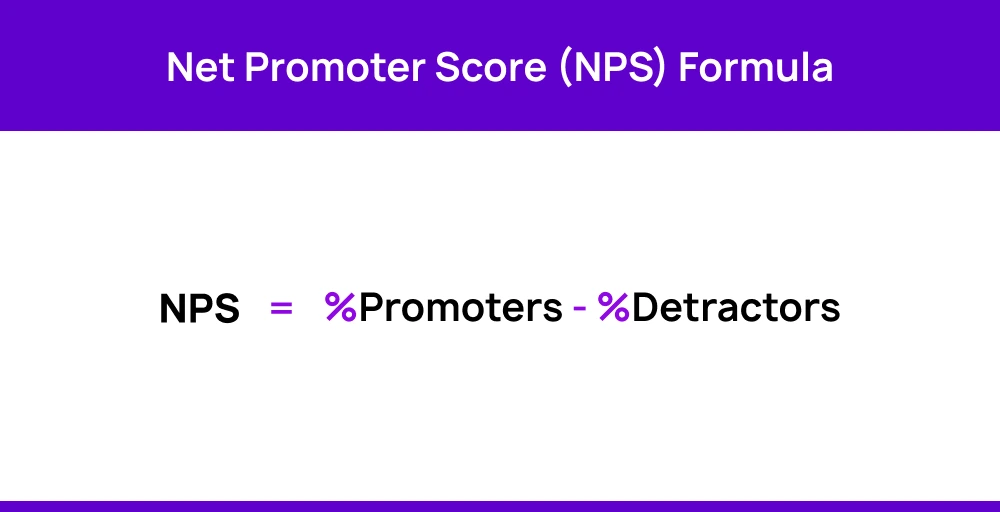
NPS measures customer loyalty by asking customers how likely they are to recommend your product or service to others. Here, customers are categorized as promoters, passive, or detractors, giving key insights into overall satisfaction and brand advocacy. A high NPS indicates strong customer loyalty and strong potential for positive word of mouth.
3. Customer effort score (CES)
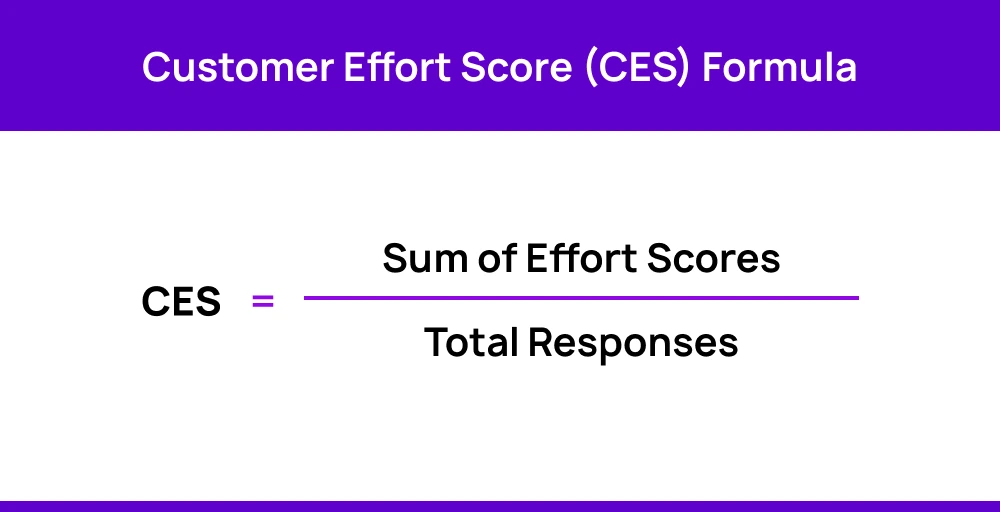
The customer effort score is a customer analytics metric that measures the effort a customer puts into resolving an issue, fulfilling a request, or completing a task. You can assess it by asking customers a survey question to rate their effort on a scale, where a low score indicates higher loyalty.
4. Customer lifetime value (CLV)
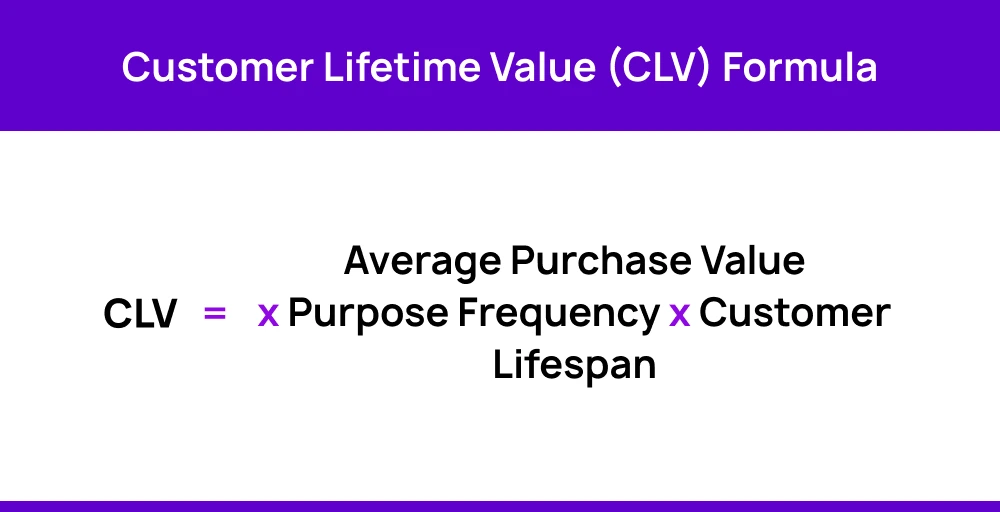
CLV is a predictive analytics customer experience metric that measures the total revenue a business can expect from a single customer over their entire customer journey. By understanding CLV, businesses can prioritize high-value customers, tailor marketing strategies, and focus on customer retention efforts in the most profitable segments.
5. Churn rate
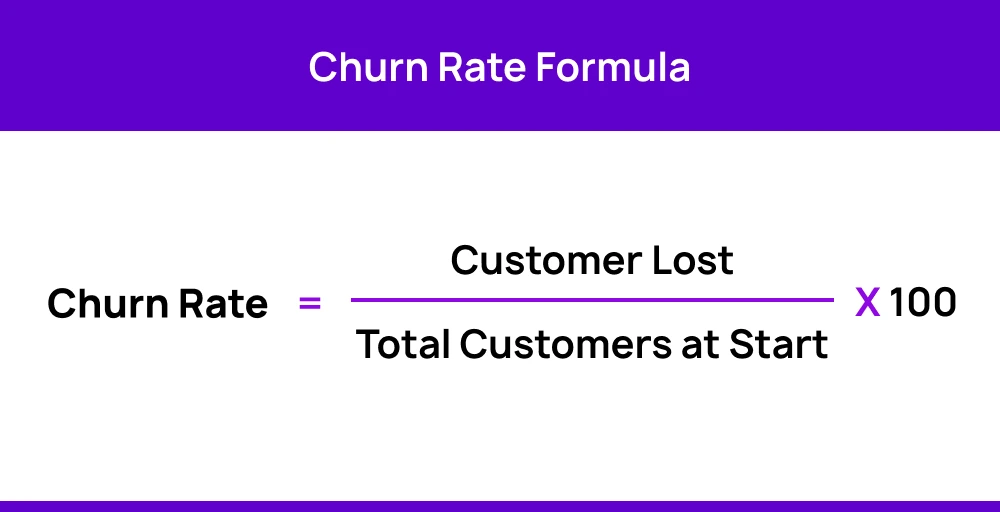
Churn rate measures the percentage of customers who stop doing business with a company over a set period. Monitoring churn helps organizations identify dissatisfaction trends and proactively implement strategies to retain customers.
6. Customer satisfaction score (CSAT)
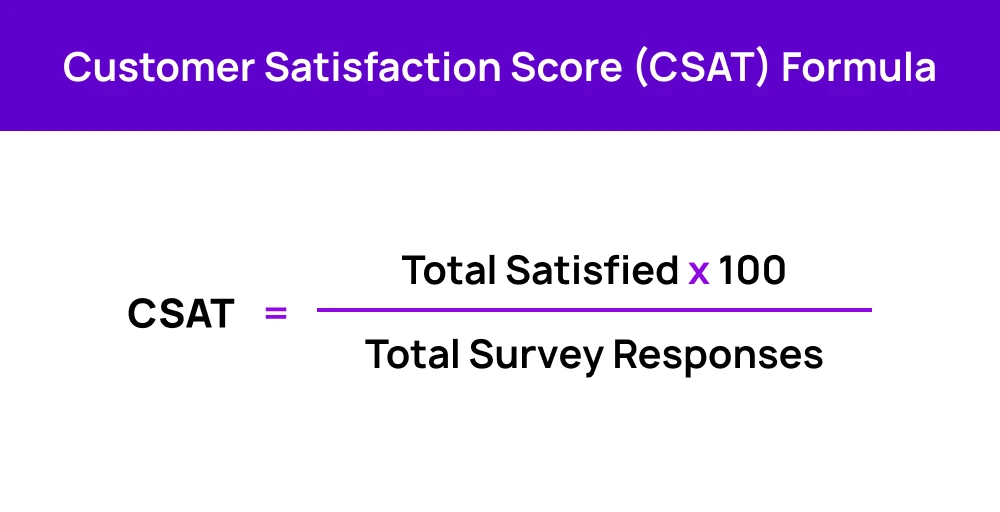
The customer satisfaction score measures how satisfied customers are with your product, service, or company. You can collect CSAT by conducting a short survey after a customer transaction or interaction.
Which touchpoints are crucial for analyzing customer experience?
To analyze the customer experience, it is essential to understand the moments when customers directly engage with your products or brand, their entire journey, and the satisfaction, pain points, and areas that need improvement.
To perform this, you need to know about these customer touchpoints:
- Website: Primary point of contact for customers, which shows the very first impressions and facilitates the purchasing decision. The complete analysis of the website and its interactions helps businesses track users’ behavior and identify complex checkouts or broken links, thereby improving the user experience.
- In-software or In-App: For software or SaaS products, the in-app experience is crucial. Monitoring user interactions and navigation can reveal usability issues and opportunities for improved customer engagement. Tools such as session recordings, feature usage metrics, and in-app surveys are useful for analyzing these aspects.
- Social media: Social media platforms serve not just for marketing but also for engaging with customers and getting their feedback. By analyzing interactions on social media, such as comments, mentions, direct messages, and sentiment, we can understand how customers view, identify new issues, and proactively connect with them.
- Customer support: Phone calls, chat, and email provide clear insights into customer satisfaction and the problems they face. Looking at important metrics, such as how often issues get resolved on the first contact, the average time spent on calls, and the most common problems, helps businesses improve their support. This makes agent training easier and enhances the overall customer experience.
How to begin with customer experience analytics?
Getting started with customer experience (CX) analytics requires a structured approach that turns raw data into interactive dashboards and actionable insights, helping you enhance every stage of the customer journey.
1. Define your CX goals and set benchmarks
Start by identifying what you want to achieve with your CX efforts. Goals include reducing churn, increasing customer satisfaction, improving first-contact resolution, or boosting repurchase rates. Establish clear benchmarks, based on past performance or industry standards, to effectively measure progress and success.
2. Map out the customer journey
Understanding the whole customer journey is crucial. Identify key touchpoints where customers interact with your brand, including website visits, in-app actions, social media engagement, and customer support interactions. Mapping customer journey at these moments helps you pinpoint areas of friction and opportunities to enhance the experience.
3. Gather data across all customer touchpoints
Collect both direct and indirect data from every interaction point. This can include survey responses, click-through rates, session recordings, chat logs, and social media mentions. An omnichannel data collection strategy ensures you have a comprehensive view of your customers’ experiences.
4. Select and measure key performance indicators (KPIs)
To track your customer experience (CX) goals effectively, choose the right metrics. Some common key performance indicators (KPIs) are the net promoter score (NPS), customer satisfaction score (CSAT), customer effort score (CES), customer lifetime value (CLV), and churn rate.
By measuring these KPIs, you can see how well you are performing and identify areas for improvement.
5. Analyze the collected data
Once you have collected CX data, begin analyzing it to identify trends, patterns, and pain points. Segment customers by behavior, demographics, or journey stage, and apply predictive analytics to anticipate future needs. This data analysis will help to transform raw data into actionable insights for your call center team.
6. Implement changes based on insights
CX insights are only valuable if acted upon. Adjust workflows, personalize experiences, improve products, or optimize support processes based on the unstructured data. Close the customer feedback loop by monitoring results and continuously refining your CX strategy to drive loyalty, satisfaction, and revenue growth.
Top CX analytics tools
For businesses seeking a comprehensive customer experience analytics solution and business growth, the following CX tools are highly recommended for AI-driven insights, omnichannel integration, and actionable dashboards.
| Tool | Best For | Pros | Cons |
| KrispCall | VoIP telephony + Multichannel interactions | AI copilot, AI coaching, 100+ integrations | Limited CRM depth |
| Qualtrics | Enterprise surveys + VoC | Text iQ, Driver analysis, CRM integrations | Complex UI, slow setup |
| Gainsight | Leveraging NLP to analyze the voice of the customer | Automated email workflow, Accurate data metrics | Difficult to configure reports |
| Medallia | Real-time enterprise communication | Predictive alerts, CRM sync, Text analytics | Overwhelming for SMBs |
| Hotjar | For generating comprehensive heatmaps | Heatmaps, Session recordings, Easy setup | Cannot perform more than a few recordings at once |
Looking for the right solution to optimize customer experience analytics?
Customer experience analytics empowers businesses to understand customer behavior, optimize journeys, and improve satisfaction. By analyzing customer behavior across all channels, you can quickly identify their pain points and optimize the entire customer journey.
Tools like KrispCall can significantly enhance this process. KrispCall, for instance, provides precise, high-quality communication data, allowing you to use AI to get actionable insights from every customer call. These insights help you make smart decisions that reduce customer churn, boost loyalty, and drive revenue growth.
Request a demo today to see how CX analytics can transform your customer experience strategy.
Frequently Asked Questions
Who should use customer experience analytics?
Any business that interacts with customers, retail, SaaS, finance, or service industries can benefit from CX analytics to improve satisfaction, loyalty, and revenue.