


In an era where customer service goals directly impact the brand image, the importance of a well-trained call center team has become crucial. In fact, it reduces time-to-productivity by 50% through structured skill development and gamified learning experiences.
And with the rise of AI, changing consumer expectations, and an increasingly competitive marketplace, how do you ensure your call center agents are ready?
Welcome to the definitive guide to call center training programs, where we will help you understand the importance of call center training, its types, core principles, and tips to build an effective training program.
✨ Key Takeaways
- Call center training is the process of preparing call center agents with the knowledge and skills needed for customer service, sales, or other call-related roles.
- The types of call center training include inbound sales training, product knowledge training, multichannel support training, soft skills training, and stress management training.
- The basic methods of customer service call center training include role-playing, coaching and mentoring, classroom training, on-the-job training, and online call center training.
Why call center training matters

Call center training is the process of enhancing call center agents’ skills so that they can communicate well with customers and actively convert leads into loyal customers. The training matters because call center agents are the first to interact with your business, and it helps shape your customers’ first impression of your brand.
It further helps to boost customer satisfaction, improve agents’ productivity, and reduce employee turnover.
Here are a few well-researched reasons showcasing why a call center training guide matters for business organizations.
1. Impact on customer experience & brand reputation
The way your call center agents interact with your customers has a clear impact on the customer experience and further affects the brand reputation.
So, in order to make the brand reputation remarkable, customer service agents require proper training about the product knowledge and confidence to resolve the issues effectively.
2. Effects on agent performance, confidence & retention
Frontline staff who receive the proper training are likely to have better customer service skills, like time management and conflict resolution. This can make them more effective in terms of performance and boost their confidence.
Plus, when employees feel more invested through training and development, they are more engaged, which, in turn, can increase retention rates and ROI.
3. Faster onboarding of new employees
When training is pre-planned, it helps new employees adapt to the work environment quickly and provides them with call training ideas. Shorter and effective training allows companies to quickly get agents up to speed on new products or policy changes so they can stay up to date with the information they provide.
Types of call center training
Call center training is the core value that helps to shape the organization’s brand image. Here are some essential types of call center training solutions that every business should invest in to strengthen its customer support and sales operations.
1. Inbound sales training: Inbound call center training helps agents turn incoming calls into sales opportunities. It mainly focuses on building a stronger relationship with customers by responding with the right offer at the right time. Here, agents learn how to handle objections and recommend upgrades or add-ons that add value for the customer.
For example, suppose a caller inquires about a standard internet package. In that case, a trained agent might identify their need for faster speed and suggest an upgraded plan, resulting in a successful upsell and a satisfied customer.
2. Product knowledge training: This training enhances agents’ confidence and expertise to resolve queries accurately. It provides enough knowledge and understanding about the products and services an organization offers, so the agents can fully utilize the knowledge and understanding to convert leads and improve NPS scores.
For instance, a support representative who knows a product inside and out can guide a customer through fixing a device issue step by step.
3. Multichannel support training: This training prepares agents to handle customer queries across various platforms such as phone, live chat, email, and social media. It mainly focuses on delivering consistent support across all communication channels with a stable tone that represents brand value.
For example, if a customer complains on the instagram page, an agent trained in multichannel support knows how to respond politely and follow up later through email to confirm the issue is resolved.
4. Soft skills training: This training focuses on developing the human side of customer interactions. Agents learn soft skills like empathy, patience, and the use of a friendly tone that makes customers feel heard and valued. These skills are essential in maintaining positive customer relationships and brand reputation.
For instance, when a customer is frustrated about a delayed delivery, an agent trained in soft skills remains calm, apologizes sincerely, and reassures them that the issue will be fixed instantly.
5. Stress management training: Stress management training helps agents stay productive and positive even during high-pressure situations. It covers call center call-handling techniques like time management, relaxation exercises, and maintaining a healthy work mindset. This training plays a major role in reducing burnout and improving overall performance.
For example, during peak call hours, agents who practice short breathing exercises or brief mental resets between calls can manage stress effectively and continue to deliver top-quality service throughout their shift.
Core principles and learning foundations of call center training
The success of every call center lies in its core values and principles that strengthen its basic foundation and improve call center best practices, especially in agent training and performance development.
Here are a few core principles that every training should have:
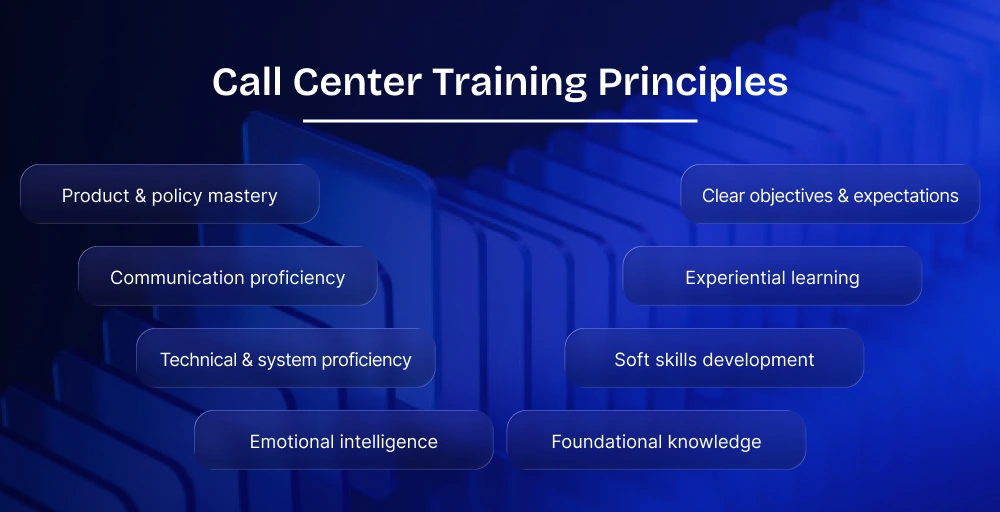
- Product and policy mastery ensures agents have an in-depth understanding of the company’s products, services, and internal policies. This knowledge allows them to provide accurate information, resolve issues efficiently, and maintain compliance with organizational guidelines.
- Communication proficiency focuses on developing clear, professional, and persuasive verbal and written communication skills. Agents learn to convey information effectively, listen actively, and adapt their tone to different customer situations.
- Technical and system proficiency equips agents to navigate call center software, CRM systems, and other digital tools efficiently. This skill reduces call handling time and improves accuracy in customer interactions.
- Emotional intelligence emphasizes empathy, self-awareness, and stress management in agents. This enhances emotional intelligence in agents, enabling them to handle challenging calls calmly and maintain positive relationships with customers.
- Foundational knowledge provides a broad understanding of the company, industry standards, and customer service principles. It creates a stronger core foundation that helps agents make informed decisions on the job.
- Soft skills development strengthens interpersonal abilities such as patience, adaptability, problem-solving, and conflict resolution. These skills enhance customer satisfaction and contribute to a professional and approachable team image.
- Experiential learning encourages hands-on practice, role-playing, and real-life simulations. By applying knowledge in realistic scenarios, agents gain confidence and practical experience before handling live customer interactions.
- Clear objectives and expectations establish measurable goals for performance, behavior, and learning outcomes. When agents understand what is expected of them, they can focus their efforts, track progress, and continuously improve.


Basic methods of call center training
There are multiple ways to organize training in a call center. Here are some of the basic methods of call center training with examples:
Role-playing
Role-playing is the method of call center training that simulates real customer interactions. Here, the agents practice call center training by creating different scenarios so each member gets a clear idea of how to handle similar situations. It helps the agents to improve their call center communications skills in a safe and controlled environment.
For example, an agent plays the role of a support representative while another one acts as an angry customer to practice customer handling complaints in a professional way.
Coaching and mentoring
This method of training call center agents is carried out when new or underperforming agents receive one-on-one guidance from experienced team leaders or senior agents. This method provides personalized feedback to the learned, which helps them improve performance and confidence over time.
For example, a supervisor listens to recorded calls and later recommends the areas of improvement and how to reduce hold times more effectively.
Classroom training
In this method, the team lead or the experienced candidate runs a few sessions where agents learn company policies, product details, and customer service techniques before taking live outbound calls. It’s often used during the onboarding phase.
For example, a trainer conducts a classroom session on company values, call handling procedures, and CRM software use for new hires.
On-the-job training
In this process, the agents gain hands-on experience by working under the supervision of a trained employee in the real call center environments. This approach helps newbies apply learned concepts directly to real customer situations.
For example, a new hire starts handling simple customer queries while a senior agent monitors and provides instant feedback for the live call.
Online learning
Online learning, or e-learning, is the method that allows agents to learn through digital modules, videos, and quizzes at their own pace. It’s ideal for remote teams or ongoing refresher training.
For example, an agent completes an online module about new product updates and takes a short quiz to test their understanding before attending live calls.
Tips to build an effective call center training program for managers
Building an effective call center training program for managers involves a strategic approach that combines structured planning, continuous development, and data-driven optimization.
1. Design a structured and goal-oriented training plan
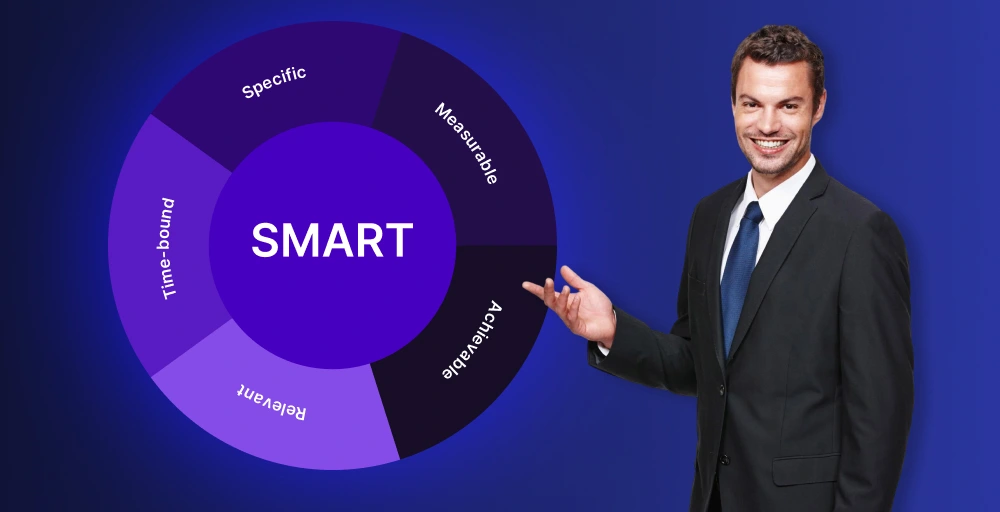
To build an effective training program, you must focus on having a clear objective, timelines, and the right KPIs that align with your organizational goals. To do so, you can adopt SMART (Specific, Measurable, Achievable, Relevant, Time-bound) frameworks.
Also, role-playing scenarios and case studies, can prepare you to handle real-world challenges effectively.
2. Coach and develop your agents’ skills continuously
Call center performance coaching is an ongoing process. You can make the practice of regular one-on-one meetings, feedback loops, and performance reviews to identify the areas of improvement and achievements for your inbound and outbound call center agents.
Implement the continuous development plan that includes skill assessments and set progressive goals for sustained performance enhancement.
3. Lead by example to inspire your team
Industry experts can set an example of the tone expected from the agents. They can demonstrate how qualities such as empathy and active listening enhance day-to-day conversations.
For an effective training program, you can also identify areas for maintaining a positive attitude, managing stress effectively, and adhering to company policies, to create a culture of professionalism and respect within the team.
4. Optimize team performance through data and feedback
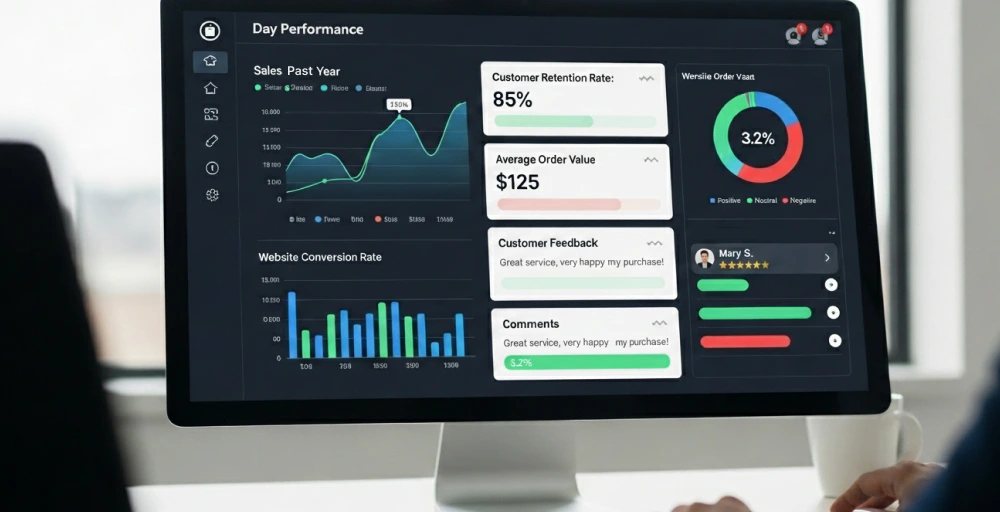
Keep the habit of tracking data and performance using KPIs and customer feedback. Managers must regularly review these areas to identify trends, address issues, and implement strategies for continuous improvement. For instance, if AHT is increasing, it may indicate the need for additional training or adopting advanced technologies.
5. Include call center metrics keywords and explain
In a call center, always try to include all the necessary key metrics and explain their use and benefits to the frontline agents.
- Customer Satisfaction Score (CSAT): Helps you measure customer contentment with service interactions, typically through post-call surveys.
- First Call Resolution (FCR): It helps you indicate the percentage of issues resolved during the first customer contact, reflecting efficiency and effectiveness.
- Average Handle Time (AHT): It represents the average duration an agent spends on a call, encompassing talk time, hold time, and after-call work.
- Service Level: Service level accesses the percentage of calls answered within a predefined time frame, indicating responsiveness.
6. Promote a collaborative and team-driven work environment
Encourage call center QA training and team-member collaboration to foster a strong work culture. Regular team meetings, brainstorming sessions, and collaborative problem-solving activities can promote better communication and teamwork.
Make a habit of celebrating achievements so every agent feels valued and respected. Engaging the frontline staff in team-building activities improves customer engagement.
7. Create a centralized and accessible internal help center
Establish an internal help center where agents and managers can access essential resources such as contact center training materials, FAQs, troubleshooting guides, and company policies. This repository should be regularly updated and organized for easy navigation. This way, you can manage workforce engagement so that every agent, new or old, stays updated and has quick access to the information they need.
Common call center training challenges
Although call center training is a crucial part for an organization to provide better customer service, many organizations still struggle to provide the best customer experience.
Let’s discuss the common challenges faced during the call center training courses:
- Evolving customer expectations: Customer needs and expectations change rapidly, influenced by new call center technology and industry trends. Call center agents must constantly adapt to meet these demands. Also, training programs must be up to date with VoIP (Voice over Internet Protocol) technologies to address emerging customer needs.
- Diverse learning styles: Not all employees are the same. In an organization where some prefer hands-on experience, others prefer personal recommendations for the areas of improvement. Thus, it can be difficult for managers to create a training style that fits all employee types.
- High turnover and burnout: Companies often face high staff turnover and employee burnout due to stress and repetition of call center workflows with no major changes. This makes it challenging to maintain consistent training standards, as new hires require frequent onboarding and existing staff may struggle to retain.
- Poor personalization: Training programs that are designed to fit all sizes often fail to address the strengths and weaknesses of the agents on an individual level. This may raise the issue of a lack of personalization and can reduce the effectiveness of call center script training initiatives.
- Technological advancements: Frequent changes in software, communication tools, and CRM systems require continuous updates to training. In this case, people working in a call center who miss the latest training may struggle with efficiency, leading to frustrated customers.
- Inadequate soft skills training: While technical knowledge is important, call center soft skills training, like empathy, patience, and communication, are also crucial for customer satisfaction. Many call centers underestimate these training areas, which leaves agents unprepared to handle complex interactions or maintain strong customer relationships.
Related 👉: Best Call Center Software in SriLanka
Improve call center training with KrispCall’s call whispering feature
The success of any training program lies in its core aspects of available tools and the right provider by your side. Traditional systems often create a gap between the theory introduced in the training sessions and its practical application for real-time customer calls.
KrispCall, an AI-powered Cloud telephony solution, bridges this gap by turning every customer interaction into a call center coaching opportunity. Our VoIP platform is specifically designed to support the core principles of call center excellence you’ve just explored.
With features like call whispering, call analytics, IVR, call barging, AI-powered efficiency, and support, you can run a well-maintained training program for your agents so they can offer their best with the right tool as their companion.