


In business, how customers feel about you is everything.
That feeling is shaped by the overall customer experience (CX), every interaction they have with your brand, from the first time they hear your name to the support they get after a purchase. It’s not just a nice-to-have; it’s the real engine behind trust and loyalty.
But how do you truly grasp customer feelings, especially when you’re dealing with thousands, even millions, of customer conversations?
That’s where sentiment analysis comes in. It’s like having a superpower that lets you quickly understand the emotions present in all that customer feedback, helping you see what’s really motivating your customers.
Top 10 ways to use sentiment analysis in improving customer experience
Sentiment analysis is used to understand the voice of the customer program that expresses feelings about a particular company or product, such as through online reviews or digital customer service platforms like chatbots and social media monitoring tools. To perform the sentiment analysis process, you need structured and qualitative data from real conversations.
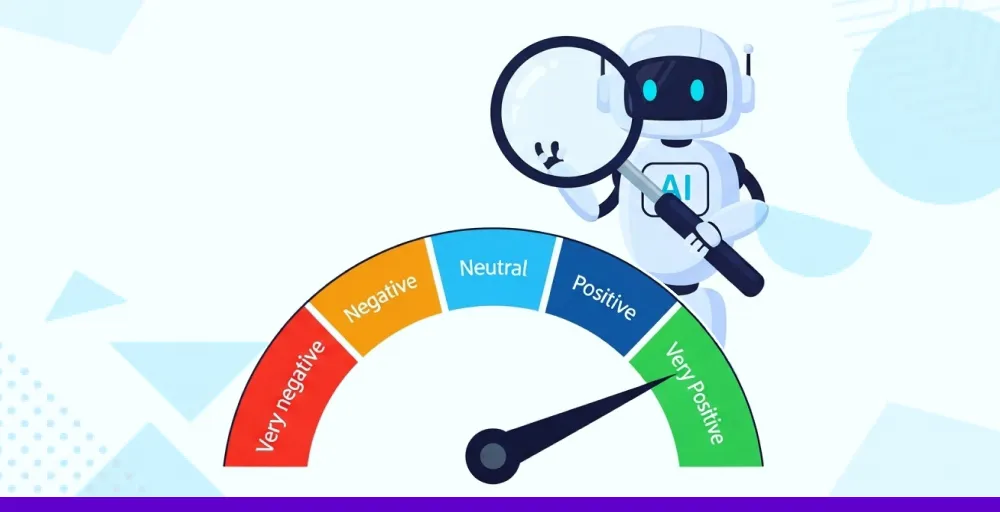
Below are some impactful ways in which sentiment analysis customer experience strategies can enhance the way you support and connect with your customers:
1. Using it to improve customer service
Poor customer service is a deal-breaker in an experience-driven market. It not only hurts your brand’s reputation but also pushes people straight into your competitor’s arms.
That’s where sentiment analysis tools within omnichannel customer service platforms and customer service automation come in. They help your support team spot exactly which interactions are causing frustration and which ones are making customers happy.
By picking up on the emotional tone in emails, chats, support tickets, and call transcripts, sentiment analysis highlights common pain points like long wait times, unfriendly survey responses, or unresolved problems.
When a ticket shows strong negative sentiment, it can be fast-tracked to a skilled agent who knows how to calm things down and find solutions.
This leads to faster resolutions, higher CSAT (customer satisfaction scores), net promoter score (NPS), and a more human, empathetic customer service experience.
2. Using it as an early warning churn radar
When customers start to feel unhappy, they often drop subtle hints in their feedback long before they actually decide to leave.
Customer sentiment analysis works like an early warning system by tracking how customers feel over time through surveys, support messages, and social media posts. This helps businesses spot at-risk customers and step in with support before it’s too late.
You can take Netflix as an example; they watch what customers say in reviews and on social media, alongside how they use the service. When they see ratings or comments turning negative, they can suggest better content or address issues early. This approach helped Netflix maintain a churn rate of 2.4% (Yahoo).
By leveraging customer experience insights from sentiment data, companies catch warning signals early and act first, turning customers who might leave into loyal ones who feel understood.
3. Using it to anticipate future customer needs
Sentiment analysis helps businesses understand what customers want, not just what they’re unhappy about.
By carefully listening to how customers express themselves and what emotions they convey, companies can use customer journey mapping to identify upcoming desires and preferences even before customers explicitly state them. This allows businesses to stay ahead in their customer experience transformation.
For example, if many customers show excitement about a minor new feature, it could signal a growing demand for more extensive related features or improvements in the near future.
Conversely, if numerous customers repeatedly express frustration about a missing element, such as a crucial connection with another service, it clearly indicates that addressing this gap will soon be essential.
This kind of understanding helps your company stay ahead, delivering what customers will truly value before they even ask for it. By anticipating needs rather than just reacting, businesses can innovate in ways that feel timely, relevant, and genuinely customer-focused.
4. Using it to reduce response times
Sentiment analysis serves as a powerful real-time triage system, an AI tools that prioritize 24/7 customer support, enabling faster and more efficient responses to customer inquiries.
Support systems can automatically figure out how strongly a customer feels in their messages. This means they can tell if someone is really angry or just a little curious. Because of this, they can put negative and urgent messages first and send them to the right place.
This ensures that agents can quickly address the most critical issues, preventing minor frustrations from escalating into major problems.
For example, if a customer writes “I’m really mad about this!”, the system immediately knows to send that message to a senior staff member right away, instead of waiting in line with other questions.
The result? Faster resolutions, fewer escalations, and higher customer satisfaction, especially in moments that matter most.
5. Using it for quick support
Support team gets tons of customer messages all the time, from simple questions to really angry complaints. Understanding how customers feel helps automatically sort and prioritize these messages, making sure the most upset customers get help first.
The system looks at each message right away and gives it a score based on its emotional tone. If a message shows a lot of frustration or anger, it’s immediately flagged, sent to the top of the list, and brought to a supervisor’s attention. This proactive response can significantly enhance the customer experience.
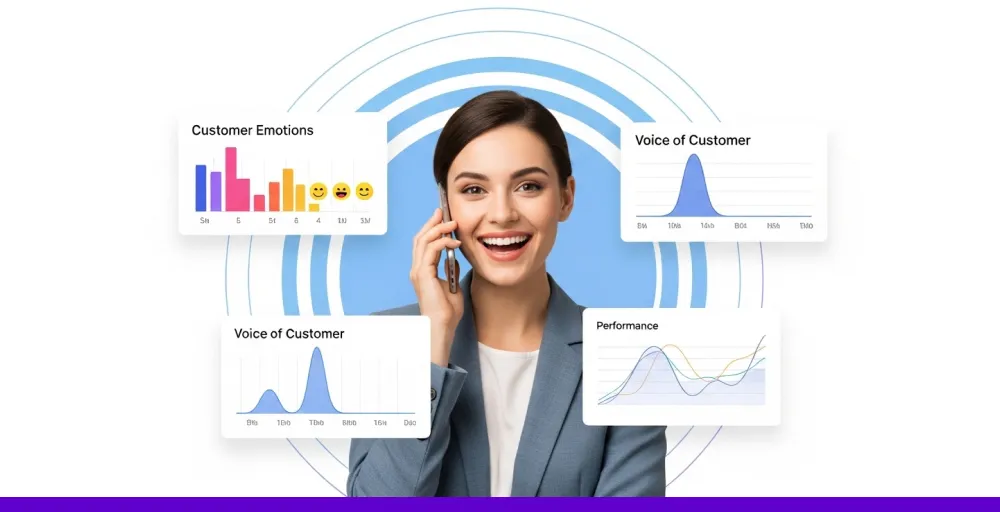
Studies show that customers with a good experience and quick support were nearly five times more likely to trust the company and buy more than those with a bad experience.
When emotions run high, speed is critical. Sentiment analysis enables support teams to quickly defuse tense situations, reduce complaint backlogs, and restore customer trust before issues escalate.
6. Using it to shape the product roadmap
Understanding how customers feel about your product in real-time is easier with customer experience software that aggregates sentiment data from various channels. Sentiment analysis plays a major role in shaping the product roadmap by offering real-time insights into user feedback.
It helps in three key areas:
- Finding and fixing bugs quickly.
- Spotting weak areas in your product.
- Discovering what new features customers want.
For example, if users repeatedly express frustration about a bug that blocks a core task, sentiment analysis can instantly flag those complaints and alert your technical team. Rather than manually digging through support logs or user reports, the system automatically surfaces patterns, right on your dashboard.
This enables developers to prioritize issues based on emotional urgency, resulting in faster fixes, happier users, and fewer recurring problems.
Ultimately, sentiment analysis doesn’t just tell you what customers are saying; it reveals how strongly they feel about it, guiding smarter, more customer-centric product decisions.
7. Using it for rescuing lost carts
When customers abandon their shopping carts, it’s often driven by frustration, and that frustration is a critical opportunity to re-engage and recover the sale.
Sentiment analysis monitors real-time customer input across your website, including checkout comments, chat transcripts, and feedback analysis, helping you identify emotional triggers that disrupt the buying journey.
For example, if a customer types, “This promo code doesn’t work, I’m leaving,” the system immediately detects the negative sentiment. It can then trigger an automatic discount, escalate the issue to a live agent, or both, intervening before the sale is lost.
During high-traffic periods, if multiple shoppers report that the “Apply Coupon” button is crashing, sentiment analysis picks up the recurring frustration and alerts the technical team. They fix the issue promptly and send apology emails with store credit to affected users. Within hours, complaints decline and conversions increase.
Traditional analytics might indicate that 5% of users abandon checkout, but they do not explain why this occurs. Sentiment analysis reveals the root causes, such as broken shipping calculators, unclear tax estimates, or laggy pages, allowing teams to prioritize and address the most emotionally charged issues first.
By tapping into real-time emotional cues, businesses can recover abandoned carts, protect revenue, and turn frustrated browsers into satisfied, repeat customers.
8. Using it to protect your brand’s image
Customers are always talking about brands on social media, sometimes saying good things, but often showing frustration. This feedback is helpful, but just one negative post that spreads widely can really hurt your brand’s image for a long time.
For example, United Airlines’ 2017 incident, in which a passenger was forcibly removed from an overbooked flight. Video footage went viral within hours, triggering outrage on social media worldwide. The backlash caused United’s stock to drop by over $1 billion in market value in just a few days, and the brand spent months recovering from the reputational damage.
While these examples are extreme, they show how important it is to keep an eye on how people feel about your brand right now. Social media is known as the voice of customer sentiment analysis, constantly full of customer opinions; ignoring what’s being said is a big risk.
Modern unified customer experience platforms can automatically find online mentions of your brand and figure out if the tone is positive, negative, or neutral. This empowers teams to identify emerging issues early, assess public sentiment accurately, and respond promptly to prevent escalation.
In a world where reputation changes in minutes, proactive social media sentiment analysis isn’t optional; it’s essential for brand protection and long-term trust.
9. Using it to personalize customer interactions
Personalizing customer interactions with sentiment analysis in customer support means tailoring how you talk to and help each customer based on how they’re feeling at that moment. It’s about making every conversation feel unique and genuinely attentive, rather than a generic, one-size-fits-all response.
If sentiment analysis detects a calm and positive tone, agents can maintain an upbeat, efficient style. In contrast, when a customer is clearly frustrated or upset, the system can prompt agents to adopt a more empathetic and patient tone, acknowledging the customer’s feelings before addressing the issue.
This emotional intelligence in support interactions leads to more human and thoughtful communication, making customers feel genuinely heard, respected, and appreciated.
What might otherwise feel like a transactional exchange becomes a relationship-building opportunity. The result? Happier customers, who feel a deeper bond with the company and stick around longer.
In a world where experience often matters more than cost or the product itself, personalizing service by understanding emotions really makes a business stand out.
10. Using it to improve support strategy and decision-making
Many companies operate reactively, waiting for customers to complain before taking action. They respond to negative feedback or customer issues as they arise. While this approach sometimes works, it often results in long wait times, dissatisfied customers, and ultimately, lost business.
Sentiment analysis in customer service enables proactive customer service. Instead of waiting for problems to surface, you can identify unhappy customers early and intervene before they even have a chance to reach out.
As industry leader, Shep Hyken puts it: “The best customer service is proactive, not reactive. Anticipating issues before they become problems is what separates good companies from great ones.”
By leveraging sentiment insights, businesses can refine customer service strategy, reduce customer churn, and build lasting customer loyalty.
Use sentiment insights to transform customer experience
Sentiment analysis is more than just analytics; it reveals how customers truly feel. By tapping into qualitative data, feedback analysis, and real-time speech-to-text technology, brands can turn every interaction into a relationship-building moment.
Top companies don’t just fix problems, they prevent them. They anticipate needs and create experiences that turn customers into loyal advocates. Whether identifying at-risk customers or personalizing support, sentiment analysis gives you the insight to act with empathy and precision.
Platforms like KrispCall now make it easy to capture and act on customer emotions in real time.
Sentiment analysis is already reshaping customer experience management. The question is: will you use it to build stronger, lasting customer connections? Start small, think big, and let your customers’ voices guide you to lasting loyalty.