



We communicate so often at work, in meetings, over email, and in casual chats that we rarely stop to think about how much it matters.
But in business, communication is everything. Behind every company are real people, and how those people connect defines how well the organization runs.
From daily workflows to employee morale and customer relationships, effective communication shapes it all. It’s what drives better decisions, faster problem-solving, and a more productive, engaged team.
In this guide, we’ll break down the key steps to build a strong business communication process that supports growth, clarity, and long-term success.
✨ Key Takeaways
- Business communication is the process of exchanging information within and outside an organization to achieve business objectives.
- Types of business communication are upward communication, downward communication, lateral communication, and external communication.
- Business communication channels are web-based communication, telephone meetings, video conferencing, in-person meetings, reports, and official documents.
- The common challenges to business communication are a lack of clarity, information overload, siloed departments, remote work gaps, and outdated communication tools.
What is business communication?
Business communication refers to the exchange of information within an organization and between the company and external parties. It plays a key role in keeping teams aligned and operations running smoothly.

When done effectively, business communication supported by an internal communication platform helps employees and business leaders collaborate better, avoid mistakes, and move toward shared organizational goals. Strong communication skills and clear systems are both essential to making this happen.
Whether it’s day-to-day discussions between team members, project updates with managers, or technical communication with partners, every part of your organization depends on structured communication and a well-thought-out communication strategy.
Poor communication leads to confusion and breakdowns in company processes. In fact, studies show that 60% of internal communication professionals don’t actively measure internal upward communication efforts, often due to uncertainty about where to begin or how to demonstrate return on investment (ROI).
Types of business communication
Each type plays a key role in how information flows within and outside your company, depending on the communication purpose it serves. Let’s have a look at some major types of business communication.
1. Upward communication
Upward communication refers to the flow of information from employees to their supervisors or from lower-tier managers to senior leadership. This type of communication allows team members at the ground level to share feedback, raise issues, and offer suggestions that help organizational practices.
It plays an important role in helping leadership understand what’s happening throughout the organization and makes employees feel heard and valued through active listening.
Examples of upward communication:
- Employee to manager
- Manager to executive
2. Downward communication
Downward communication is when information flows from senior leaders to staff in lower positions. It’s how goals, updates, policies, and assignments are passed down the organizational ladder.
This type of communication is essential for aligning teams, distributing responsibilities, and keeping everyone on the same page about what’s expected, which encourages employee engagement as well.
Using an employee rewards software can further strengthen this engagement by recognizing contributions and motivating an employee to consistently perform at their best.
Examples of downward communication:
- The executive is sharing a company update with managers
- The manager assigns tasks to direct reports
3. Lateral communication
Lateral communication, also known as horizontal communication, occurs between individuals or teams at the same level within an organization. This often involves collaboration across departments or among coworkers working on shared projects.
Its primary goal is to enhance teamwork, streamline operations, and ensure that everyone is working towards common objectives and stronger relationships, which can also help teams boost creative productivity.
Examples of lateral communication:
- Coworkers discussing a shared task
- Department managers coordinating on a project
4. External communication
External communication encompasses all interactions between your business and external stakeholders, including potential business partners, customers, clients, vendors, media, and the general public.
This could be anything from sending proposals and customer service emails to publishing social media content or issuing press releases. It plays a critical role in shaping your brand identity and building lasting relationships outside your organization.
Examples of external communication:
- The company is sending a campaign proposal to a client
- Brand responds to customers via email or social platforms
What is the importance of business communication?
Clear and consistent communication is the backbone of every successful workplace. Whether it’s written communication or spoken, how information flows within a company affects everything from day-to-day operations to long-term growth.
Here are 5 key reasons why business communication is important:
- Boosts employee satisfaction and loyalty: When leaders openly communicate with their teams, employees feel heard, valued, and connected to the company’s mission. This leads to increased job satisfaction, increased employee productivity, and a longer-term commitment.
- Improves decision-making: Good communication gives employees and leadership access to the right information at the right time. This helps teams make smarter, faster, and more confident and informed decisions.
- Increases productivity: The more aligned your teams are, the more efficiently they work. Clear communication ensures tasks are understood and executed properly, which directly impacts output and helps in increasing productivity.
- Strengthens business relationships: Strong internal communication sets the foundation for better external interactions. When everyone is aligned internally, it’s easier to build trust and develop ideas with other businesses.
- Reduces workplace conflicts: Misunderstandings and unresolved issues often stem from poor communication. Encouraging open conversations helps teams address problems early and keep collaboration on track.
Related 👉: Virtual Team Communication for Productivity & Success
Business communication channels
Business communication occurs in various forms, including spoken and written, face-to-face conversations, and online. Choosing the right method plays a big role in keeping employees engaged and productive.
There’s no single best channel for every company. It depends on the context, the message, and the people involved.
Here are six major business communication channels companies rely on:
1. Web-based communication
Email, Slack, and Google Chat are essential tools for day-to-day communication. They allow teams to send quick updates, hold one-on-one chats, or share info with large groups without interrupting workflow. These tools are especially useful in high-paced or remote work environments.
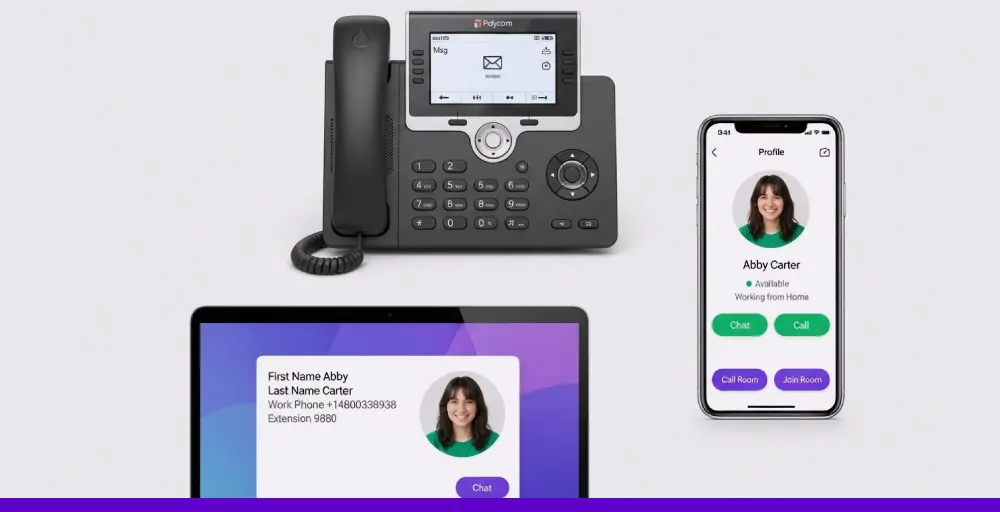
2. Telephone meetings
Teleconferences enable teams to connect instantly, regardless of their location. The added tone and pace of voice communication make it easier to express ideas clearly and quickly.
Specifically, cloud phone systems are beneficial for team collaboration and instant messaging support during calls.
3. Video conferencing
Using a meeting assistant can make video calls more productive by automatically capturing key points, tracking action items, and keeping teams aligned without distracting from the conversation.
4. In-Person Meetings
Face-to-face meetings are ideal for rapid brainstorming and alignment. Research even shows they spark up to 20% more ideas than virtual meetings. However, without a clear agenda, many meetings fall short, which leaves employees uncertain about next steps.
5. Reports and official documents
Reports, memos, and documentation provide clarity across teams and departments. They capture key decisions, track performance, and ensure everyone stays aligned. Having information in writing prevents misunderstandings and protects important documents. When sharing files across different systems or stakeholders, converting formats can also be important, for example using tools like RTF to PDF to ensure documents remain consistent and easy to access.
6. Customer management activities
Customer-facing tools like CRMs, live chat, and feedback forms help businesses manage relationships efficiently. Features like auto attendant scripts, IVR systems, and, after hours messages can improve response times and client satisfaction.
What are the common challenges to business communication?
Even with the right software solutions in place, businesses often face hurdles that affect how clearly information is shared. Here are some of the most common challenges in business communication:
- Lack of clarity: Unclear messages cause confusion and delay. When instructions or updates aren’t specific, teams waste time trying to interpret the meaning instead of better communication that helps them take action.
- Information overload: Too many messages, emails, and notifications can overwhelm employees. Important updates get buried, and productivity drops as focus is lost without effective managerial communication to filter priorities.
- Siloed departments: When teams don’t share information across departments, it creates gaps. Using a centralized contact center platform can help integrate efforts across teams and improve transparency.
- Poor listening and feedback: One-sided communication leads to missed insights. If employees don’t feel heard or can’t ask questions, engagement and trust go down without active efforts to encourage employees to share feedback.
- Remote work gaps: In remote or hybrid setups, non-verbal communication cues often get lost. Without regular check-ins or clear guidelines, teams struggle to stay aligned.
- Outdated communication tools: Old or disconnected systems slow everything down. If tools don’t support real-time collaboration, messages get delayed, and confusion builds.
How to improve business communication?
A solid and effective business communication system keeps your team focused, your customers satisfied, and your business moving forward.
63% of employees considering leaving their jobs say poor internal communication is one of the key reasons. That’s a clear sign that improving how your team communicates across departments and with customers is no longer optional.
Suppose your current setup feels outdated or unclear. In that case, it’s time to upgrade your business communication and business writing skills and build a system that actually supports your team and drives your business’s goals.
1. Audit your current communication and set clear goals
Every business, regardless of size, needs a communication plan that fits its unique needs. Begin by reviewing where your communication falls short and prioritize fixing the biggest gaps first before addressing everything at once. Along with that, this step is vital for advancing business communication research and learning from what’s working.
Common warning signs that communication needs attention include:
- High employee turnover or low morale
- Productivity not meeting expectations
- Rapid expansion is causing information loss
- Poor transparency, especially with remote or hybrid teams
You may face one or several of these challenges or others specific to your business. The key is to identify the core issues and establish clear, measurable goals such as:
- Improving employee engagement or retention rates
- Raising customer satisfaction scores
- Increasing on-time project completion
- Enhancing the frequency and quality of collaboration between teams to build long-lasting relationships.
2. Identify key teams and understand how they interact
Take a close look at your company’s structure and all the groups essential for daily operations. Make a list of every team or department that relies on information to get their work done. This includes:
- Horizontal groups: Departments like marketing, sales, human resources, finance, operations, customer support, and design
- Vertical layers: Team members, supervisors, team leaders, managers, and executives
- External stakeholders: Customers, suppliers, partners, and vendors
For larger companies, this can be a detailed process, so take your time. Ask yourself questions such as:
- Who needs to communicate with whom daily, weekly, or monthly?
- Which communications happen only during emergencies or special projects?
- How do managers track progress and share updates?
- Is there a shared knowledge base that could cut down on unnecessary meetings?
- What approvals are required for key projects, and how are those requests managed?
3. Choose the right communication methods
Now that you’ve mapped out how your teams work together, it’s time to decide how they should communicate. Select communication methods that match your goals and support the way your internal and external business communication operates.
Here are some common channels to consider:
- Web-based messaging tools (e.g., Slack, Google Chat)
- Phone calls and virtual meetings
- Video conferencing software
- In-person discussions and team huddles
- Reports, memos, and other documentation
- Slide decks and formal presentations
- Forums or internal knowledge boards
- Employee and customer surveys
- CRM systems and support channels
Consider which of these are essential for your team to meet its targets. Some tools might be optional or face pushback, especially if they add complexity.
Your needs will depend on your team size and structure. For example:
- A small, co-located team may rely more on face-to-face chats, shared documents, and quick web-based updates.
- A fully remote company will benefit from reliable video conferences, structured file sharing, and clear task tracking.
- A larger organization might use a combination of all methods, with specific tools dedicated to departments, leadership, and customer communication.
4. Choose tools that fit your team’s workflow
There’s no one-size-fits-all answer when it comes to picking communication tools. Whether it’s Zoho Mail or ProtonMail, Microsoft Teams or Chanty, OneDrive or Box, what matters most is choosing what works best for your team and sticking with it.
Here are a few smart practices to guide your decision:
- Stick to one platform for email and calendar to avoid confusion and missed messages.
- Use a single messaging tool across the company. Mixing apps like Microsoft Teams and Slack can slow people down and fragment conversations.
- Invest in cloud storage with automatic syncing and backup. It keeps key documents safe and accessible without relying on manual saves.
- Set up a reliable VoIP system if you host regular remote calls. It ensures effective meetings and clearer connections.
- Establish internal brand and tone guidelines to keep all communication, whether internal updates or customer messages, consistent and professional.
5. Document your process and keep it accessible
Once your communication plan is in place, write it all down. Create a centralized document that outlines the tools, methods, and workflows you’ve chosen, and ensure that everyone on the team knows where to find it.
This guide should serve as a go-to resource for handling day-to-day communication. It helps your current team stay aligned and gives new hires a clear understanding of how things work from the start.
To keep it relevant, set a quarterly reminder to review and revise the document. As your team grows or your tools evolve, your communication plan should grow with it.
Make business conversations easy with KrispCall
Get a business phone system that combines calling, messaging, contact management, and notes, all in one modern phone app. It supports multi line phone systems, virtual call centers, and cold calling software to ensure every type of business communication is covered.
KrispCall brings your business phone, messaging, contact management, and note-taking together in one sleek, modern app. It’s designed to keep you connected with your team and customers no matter where you are, so nothing slows down your work.
Its advanced features, like crystal-clear VoIP calls, smooth call routing, and integrated customer relationship management, help you respond faster and stay organized. Whether you run a small startup or a growing enterprise, KrispCall helps boost productivity by simplifying everyday communication tasks.