



Delivering a great customer service experience is more than just answering customer needs; it’s about making every interaction smooth and building long lasting relationships. When done right, customer service operations become a critical aspect of loyalty, reputation, and growth.
From active listening with intent to solving customer issues with care, every customer interaction holds the power to shape how people see your brand and reflects your customer service skills.
In this blog, we’ll share 20 practical customer service tips for customer service representatives, call centers, and businesses that actually work.
✨ Key Takeaways
- Good customer service is about creating a positive experience, respectful interactions that leave customers feeling valued and cared for.
- Delivering excellent customer service builds trust and can turn even negative experiences into opportunities for customer loyalty.
- Practical, people-first habits like active listening, empathy, and clear communication can dramatically improve the quality of your support.
Why does good customer service matter?
Great customer service plays a big role in how modern customers see your business. Even when mistakes happen, 78% of customer feedback says that they’re willing to stick around if the customer service agents can provide excellent customer service skills (Salesforce).
That means a helpful, friendly, and customer service professional’s interaction can turn a bad situation into a positive one.
When you solve problems quickly and keep customers in the loop, it boosts your brand image. This kind of support helps prevent frustration and keeps people from looking elsewhere. Over time, that trust turns into stronger relationships and more word-of-mouth support from happy customers.
Essential customer service tips you need to know
It is important to master simple, effective habits to identify areas to provide excellent customer service. From showing empathy to communicating clearly, these few tips help create a customer experience that leaves a positive & lasting impression.
1. Listen actively
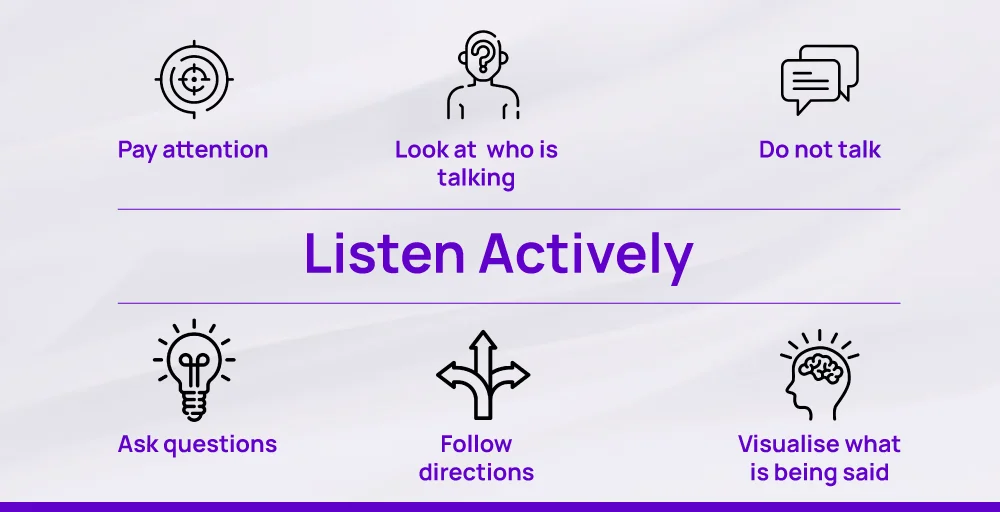
Great service starts not just by hearing the words, but by truly paying attention to what the customer is trying to say. Often, people won’t spell out their problems directly. They might say something like, “I can’t find this option,” what they really mean is that the layout is confusing.
When you listen actively, you make customers feel heard and understood. It also helps you notice patterns and gather insights from feedback that might otherwise go unnoticed. This kind of attention builds trust and shows people that their experience matters to your business.
2. Empathize genuinely
Empathy means putting yourself in the customer’s shoes and showing that you truly care about what they’re going through. When someone reaches out with a problem, they want more than a quick fix. They want to feel understood. In such cases, even a simple, kind response like “That must be frustrating” can go a long way in calming nerves.
Genuine empathy helps turn tense situations into positive ones. It shows customers they’re not just a ticket number, but a person worth your time. In a world where more support is handled by automation, a little human warmth can make a big difference.
3. Be knowledgeable
Customers rely on support teams to give clear answers and helpful guidance. That’s why it’s important to really know the products or services you’re offering. When you understand how things work, you can answer questions with confidence and help people make the right choices.
If you’re unsure or give the wrong information, it can cause confusion and frustration. Knowledge about updates, new features, or changes in policy helps you stay ready for anything. The more you know, the more helpful and trustworthy you’ll be.
4. Maintain a positive attitude

A friendly, calm attitude can turn even a tough conversation around. Customers can sense your tone, whether you’re speaking or writing, so staying positive helps keep things on track, even when someone’s upset.
Emphasis on what you can control, like your words, tone, and how well you listen, makes a big difference. Even small phrases like “I’m happy to help” can make the customer experience feel more supportive and less stressful.
5. Practice patience
When customers are confused or frustrated, rushing them only adds to the stress. To show you care and are there to help, take time to listen and walk them through their issue. A little extra time can make a big difference in how supported someone feels.
Patience also helps you avoid misunderstanding. When you slow down, you can ask the right questions, get to the root of the problem, and offer the best solution. It shows customers that their time and problem matter.
6. Take ownership
When something goes wrong, customers want someone who will take responsibility and not pass the blame or dodge the issue, especially in tense situations.
To take ownership means stepping up, even if the problem wasn’t your fault. It shows you’re committed to making things right and gives the customer confidence that you’re on their side.
It’s not about having all the answers right away, but about being accountable. Let them know you’re working on it, keep them updated, and follow through. To show how much your business cares, address the issue directly, as it turns a frustrating moment into an opportunity.
7. Respect their time
No one likes to be kept waiting, especially when they need help. Respecting a customer’s time means being clear, efficient, and getting to the point without rushing.
If you don’t have an answer right away, let them know what steps you’ll take and when they can expect a reply.
Quick responses and smooth solutions that aim for first-call resolution show that you value their time and understand it’s important. Even small efforts, like avoiding long holds or giving updates during delays, can make a big difference in how your service is remembered.
8. Communicate clearly

Customers don’t want fancy words; they just want answers they can understand. Speaking clearly and using simple language helps avoid confusion and builds trust.
Whether you’re writing or talking, aim for a tone that’s friendly and easy to follow. It’s okay to be casual, as long as you stay professional and helpful.
Good communication also means listening before replying. Make sure you fully understand the issue, then explain things step by step. Clear, calm responses show customers you’re on the same page and make even complicated problems easier to solve.
9. Set clear expectations
Being honest about what you can and can’t do helps avoid frustration later. Whether it’s wait times, return policies, or how long a fix will take, clear expectations give customers a better experience, even if the news isn’t perfect.
It’s better to be upfront than to overpromise and disappoint. If there’s a delay or a limit to what you can offer, say it kindly and clearly. Setting the right expectations builds trust and shows your business values honesty over quick fixes.
10. Personalize interactions
Customers don’t want to feel like just another number. Using their name, remembering past conversations, or referring to something they mentioned shows that you’re paying attention and that they matter.
Personalization also means being aware of customers’ body language, offering solutions that fit their specific needs, and not just a one-size-fits-all reply. When customers feel seen and understood, they’re more likely to stay loyal and share positive experiences with others.
11. Offer solutions
When a customer reaches out with a problem, they’re looking for more than just a reply. They want a fix. Instead of repeating policies or apologizing without action, focus on what you can do. Offer clear, helpful steps that move things forward and make the customer feel supported.
Even if the issue can’t be solved right away, giving options or a plan shows your customer service team is committed to delivering excellent customer service.
Being solution-focused turns frustration into relief and shows that your team is there to help, not just respond. It builds trust and makes the experience feel productive, not pointless.
12. Follow up (when needed)

Sometimes, the support doesn’t end with one reply, and that’s okay. Following up after an issue shows that customer service professionals care about the outcome, not just closing the conversation.
Whether it’s a customer support team checking on a refund or a customer success manager confirming a fix worked, this extra step demonstrates outstanding service.
It also helps catch problems early if something didn’t go as planned. Whether it’s a delayed shipment, a recent fix, or a refund request, circling back when needed shows you’re paying attention and taking the extra step to get it right.
13. End positively
How a conversation ends can shape how a customer feels about the entire experience, even if the issue was tricky. A warm and polite close leaves a better impression. Thank them for their time, confirm that everything is set, and let them know you’re there if they need anything else.
A positive wrap-up shows care and confidence. It’s a small moment that can make the difference between a forgettable interaction and one the customer appreciates. Leave them feeling like their time was well spent and that they were in good hands.
14. Document everything
Keeping clear notes on customer interactions keeps different departments and support teams on the same page.
Whether it’s a quick question or a complicated issue, writing down what was said and what steps were taken through cloud phone systems makes it easier to pick up the conversation later.
Good documentation also helps spot patterns or repeated issues that might need fixing. It saves time, avoids confusion, and ensures customers don’t have to repeat themselves. A few quick notes can go a long way in making support smoother and more consistent.
15. Be proactive
Great service isn’t just about reacting; it’s about staying one step ahead, offering solutions before customers expect them. Reaching out before a problem pops up or offering help when someone looks stuck shows that you’re paying attention.
A simple heads-up about a delay or a quick tip based on past questions can make things easier for the customer before they even ask.
Being proactive also means spotting patterns and fixing common issues early. If you know something might cause confusion, clear it up in advance. These small efforts make the experience smoother and show that your customer service staff is looking out for them.
16. Offer alternatives

Sometimes, what a customer wants isn’t possible, but that doesn’t mean the conversation has to end there; showing extra effort can help. Offering alternatives shows you’re still focused on helping and are willing to go the extra mile.
Whether it’s a different product, a workaround, or a later solution, giving options helps keep the experience moving in a positive direction.
It also shows that you’re thinking about what works best for them, not just sticking to a script. Even if the original request can’t be met, having choices makes customers feel like they still have some control and support.
17. Handle complaints gracefully
Complaints can be tough, but they’re also a chance for service people to show how well they handle customers’ problems. Staying calm, listening carefully, and responding with positive language and online customer service tips can turn a negative moment into a better one.
Avoid taking it personally or using defensive phrases, because most of the time, people just want their issues to be heard and solved.
Even when you can’t give a perfect fix, how you phrase your language and respond matters. Apologize when needed, offer a clear path forward, and keep your tone respectful. A thoughtful response can leave someone feeling heard, even if the situation started off badly.
18. Learn from every interaction
Every customer conversation is a chance to learn something new with small business customer service tips. Maybe it’s a better way to explain a feature, a common issue you hadn’t noticed, or a new question that keeps coming up.
Paying attention to these moments helps you grow and stay sharp.
Over time, these lessons make you more confident and more helpful. Teams that reflect on their interactions using customer service metrics, such as what went well and what could improve, are the ones that keep getting better.
Learning a little after each chat adds up to big improvements in how support is delivered.
19. Be adaptable
Every customer is different, and so is every situation. What works for one person might not work for another, so it’s important to stay flexible. Being adaptable means adjusting your tone, approach, or solution based on what the moment calls for.
Changes can happen fast, whether it’s a new product update, a system glitch, or an unexpected question. Staying calm and open to change helps you handle challenges smoothly and keeps the conversation moving in the right direction.
20. Empower yourself
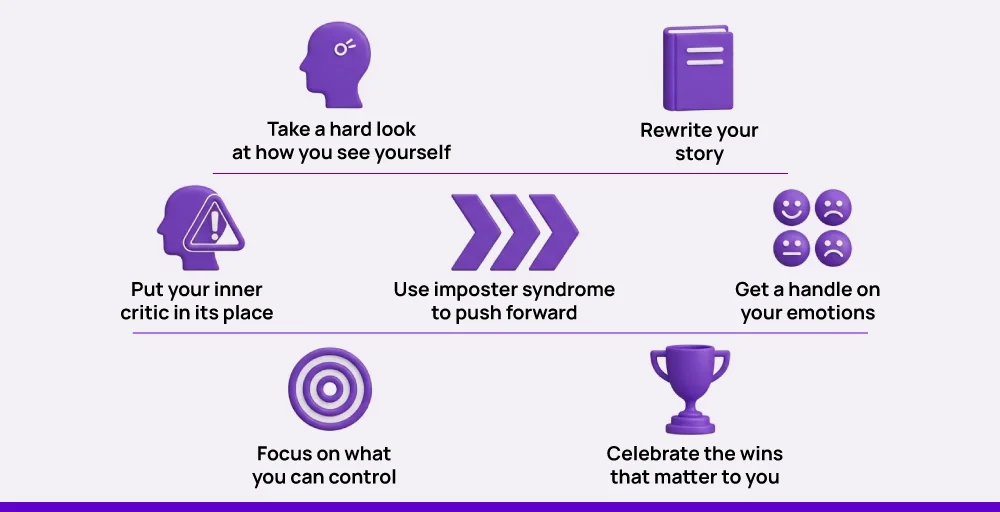
Great service starts with confidence. Knowing your tools, understanding your options, and being clear on what you’re allowed to do helps you take action without second-guessing. When you’re equipped to make decisions, you can solve problems faster and make the experience better for everyone.
Empowerment also means speaking up when something isn’t working or when you see a better way to help. Taking initiative, asking questions, and learning as you go puts you in a stronger position to support others and keeps your work more rewarding, too.
Common mistakes to avoid
Even teams with good intentions can slip into habits that frustrate customers. Recognizing and avoiding these common mistakes is key to building trust and lasting satisfaction.
- Fast replies without being helpful: Speed matters, but it shouldn’t come at the cost of clarity. Take an extra moment to give thoughtful, easy-to-understand replies that actually solve the issue.
- Scripted messages that feel robotic: Using templates can save time, but customers still want to feel like they’re talking to a real person. Personalize your messages and adjust your tone based on the situation.
- Not following up: Just because the issue seems fixed doesn’t mean the job is done. A simple check-in can leave a lasting impression and help catch lingering concerns.
- Ignoring emotional tone: Customers don’t just bring problems; they bring emotions. Train reps so that they can recognize customer sentiment, frustration, or confusion and respond with empathy, not just facts.
- Teams that don’t communicate: If a customer has to repeat their story every time, it feels like starting over. Use tools that share conversation history and notes across your team to keep things smooth and connected.
Wrap Up!
Modern customer service isn’t just about solving existing customer issues; it’s about creating moments that delight customers, meet customer expectations, and identify potential sales opportunities that turn unhappy customers into loyal customers.
From listening actively to following up after a conversation, each small action adds up to a stronger, more memorable experience.
By avoiding common mistakes and practicing the right habits, you can turn everyday support into something customers appreciate. These call center customer service tips and tricks aren’t just ideas; they’re tools you can use right now. Start practicing them in real conversations, and you’ll see the difference they make.