


Most call centers listen to customer calls, but very few actually learn from them. In fact, most reviews indicate that 1-2% of calls are manually handled, and only 5% reach world-class first call resolution rates above 80% despite regular monitoring. (SQMGroup)
Why? Because listening alone doesn’t drive change. Without a structured call audit process, audit outcomes remain unclear, feedback stays subjective, insights get lost, and the same mistakes keep repeating.
A call audit is a systematic evaluation of recorded customer calls to measure agent performance, ensure compliance, and identify opportunities for improvement. Unlike casual call monitoring, call center audits follow a defined framework and quality checklist to produce consistent, actionable insights that improve customer experience and operational efficiency.
In this guide, we’ll break down the complete call audit process, share a practical checklist, explain the key performance metrics to track, and highlight best practices to help you build a high-performing call center.
✨ Key Takeaways
- Call audit means reviewing real agent interactions and customer calls, which helps quality assurance teams identify gaps in call scoring, training, and resource allocation, making coaching data-driven rather than based on guesswork.
- A structure audit framework is built using a standardized QA scorecard, consistent sampling, and calibration to ensure fair evaluations, established processes, regulatory requirements, and consistent service delivery across every agent and call.
- When done right, call audits improve First Call Resolution (FCR), Customer Satisfaction (CSAT), Net Promoter Score (NPS), and reduce repeat call volumes, driving better customer experiences leading to loyal customers and long-term growth.
What is a Call Audit?
A call audit is a systematic review of customer service calls to evaluate quality and identify areas of improvements.
During a call audit, supervisors or quality teams listen to recorded inbound and outbound calls to assess how well agents handle customer calls. They check whether agents follow established procedures, compliance protocols, resolve issues effectively, deliver a positive customer experience, and meet customer expectations.
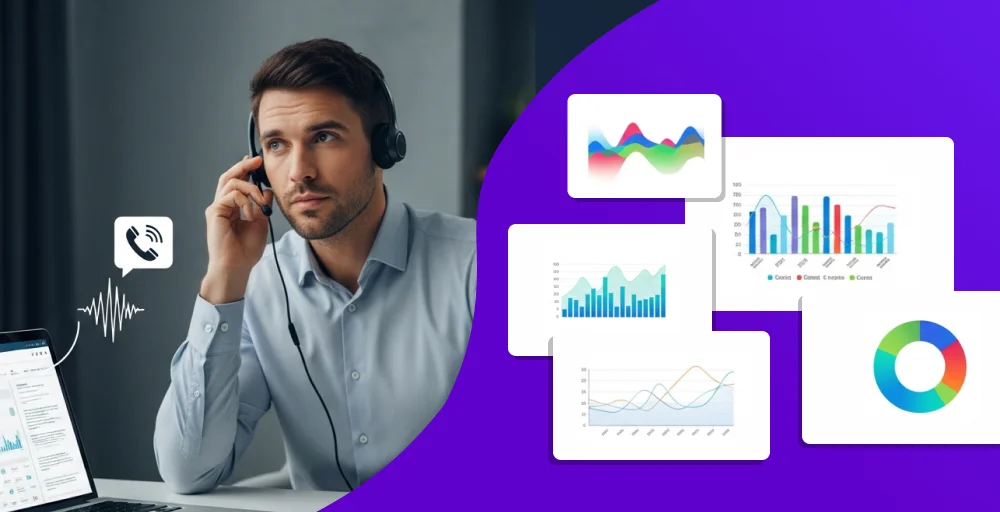
The audit results in actionable insights: what’s working well, what needs fixing, and where training gaps exist. This helps call center operations improve agent performance, fix recurring problems, and ensure customers consistently receive professional, helpful services.
Think of it as a quality check-up for your contact center operations, help your team to protect customer data, improve center metrics, and consistently deliver high-quality service.
Why Call Audits Matter (Benefits & Business Impact)
Call audits are important for improving business agent performance, ensuring compliance, and enhancing customer satisfaction. Here’s how they impact your business.
1. Improvement in customer experience (CSAT, CES)
Regular call audits help you identify what makes customers happy, and what frustrates them. By catching issues like long hold times, unclear communication, or unresolved problems, you can make changes that directly improve customer satisfaction scores and reduce customer effort scores.
2. Agent performance coaching
Audits reveal each agent’s strengths and weaknesses in real interactions. This gives managers concrete examples to use in coaching sessions, making feedback specific and actionable rather than generic. Agents know exactly what to improve and can see their progress over time.
3. Compliance and regulatory risk reduction
Industries like healthcare, finance, and insurance have strict rules about what agents can and cannot say. Call audits ensure that agents follow required customer service scripts, disclosures, and data-handling procedures, protecting your business from fines, legal issues, and regulatory penalties.
4. Consistency of service delivery
Without audits, service quality varies wildly depending on who answers the phone. Regular monitoring ensures every customer gets the same professional, helpful experience regardless of which agent they reach, building trust in your brand.
5. Insights for training & operations
Audits uncover patterns across your entire call center, including common customer questions, recurring complaints, process bottlenecks, and confusing policies. These insights help you update training programs, streamline workflows, and make smarter operational decisions based on real data instead of guesswork.
How to Perform a Call Audit?
Performing a call center audits involve a systematic review of customer interactions to ensure quality, compliance, and efficiency.
Here’s a step-by-step process to conduct a call audit:
1. Select your call samples
Start by selecting a manageable set of calls to review rather than trying to audit every single conversation. Aim for 3-4 customer calls per team member per month as a baseline.
Choose a diverse mix:
- Random, everyday inbound and outbound calls to capture typical interactions.
- Calls from unhappy customers to identify service gaps.
- Sales calls to spot missed opportunities or coaching needs.
Use call tags to filter by customer sentiment, call drivers, or specific scenarios. This helps you build a well-rounded sample without listening to every recording first.
2. Create a quality assurance (QA) scorecard
Develop a Quality Assurance scorecard that defines what “good” looks like on a call. This keeps your evaluations consistent and unbiased across all team members.
Score essential elements like:
- Greeting: Was it friendly and professional?
- Security checkpoints: Did they handle customer data securely?
- Issue handling: Did they resolve the customer’s problem?
- Upsell/cross-sell: Did they identify relevant opportunities (if applicable)?
- Closing: Did they end politely and confirm customer satisfaction?
Base your scorecard on the KPIs that matter most to your business, like first-call resolution if you’re trying to reduce callbacks.
3. Review calls and apply your scorecard
Pull your selected call recordings from your phone system and work through them using your scorecard. To save time, use call center transcription and AI summaries to quickly navigate to relevant parts of conversations.
Focus on the big picture and customer experience rather than minor slip-ups. Your feedback should feel actionable and valuable, not nitpicky. Look for meaningful issues that impact service and call quality.
4. Identify trends and recurring issues
After completing several reviews, step back and analyze your scorecards for recurring themes. What keeps showing up? Where are the consistent gaps?
For example, you might discover your call center team excels at friendly service but frequently misses follow-ups. Or new hires consistently forget to mention your cancellation policy, creating potential compliance issues down the line.
The goal isn’t to track individual scores; it’s to identify root causes so you can address them through targeted training, clearer procedures, or performance improvements to the audit process.
The Ultimate Call Audit Checklist (Free Scorecard Template)
Every call center operates differently, so there’s no one-size-fits-all approach to auditing calls.

However, here are the most important areas contact center managers should evaluate when reviewing agent-customer conversations.
1. Call etiquette
- Did the agent offer a professional greeting?
- Did the agent demonstrate empathy and understanding toward the caller’s concern?
- Did the agent use the caller’s name during the conversation?
- Did the agent close the call clearly and professionally?
- Was the agent courteous and respectful throughout?
- Did the agent thank the caller for their business?
2. Communication skill
- Did the agent pause appropriately to let the caller speak?
- Was the agent’s speech clear, brief, and easy to follow?
- Did the agent skip overly technical language or industry jargon?
- Did the agent successfully calm upset or frustrated callers?
- Did the agent ask questions to verify they understood correctly?
- Did the agent maintain a positive tone and avoid negative phrasing?
3. Knowledge and information sharing
- Did the agent explain things in terms the caller could easily grasp?
- Was all essential information shared accurately with the caller?
- Did the agent show strong knowledge of the products or services being discussed?
- Was the information current and not outdated?
- Did the agent give accurate instructions for what happens next?
- Was the information relevant to the caller’s needs?
4. Call handling
- Did the agent communicate realistic timeframes for any follow-up actions?
- Did the agent follow guidelines when placing callers on hold?
- Did the agent follow the correct process for escalating calls?
- Did the agent stick to the required call scripts?
- Did the agent follow proper procedures when transferring calls?
- Did the agent complete the call within the service level agreement timeframe?
5. Issue resolution
- Did the agent take responsibility for solving the caller’s problem?
- Did the agent offer the best possible solution?
- Did the agent walk the caller through clear, step-by-step solutions they could handle themselves?
- Did the agent set realistic expectations about when the issue would be resolved?
- Was the agent successful in resolving the caller’s issue?
- Did the agent check that the caller’s problem was actually fixed?
Best Practices for Effective Call Audits
Effective call audits begin with a standard QA framework that defines clear, measurable quality criteria. Here are the key practices to ensure your audits drive real improvement:

1. Regular audit scheduling
Contact call audits should be on a consistent schedule rather than being occasional. Regular monitoring keeps the agent accountable and aware that their customer interactions are being reviewed for quality assurance.
This ongoing oversight encourages better call center performance and helps you catch issues before they become patterns. Consistency also means your data stays current and relevant for training decisions.
2. Calibration sessions for evaluators
Ensure everyone involved in evaluating calls, managers, supervisors, or third-party reviewers, applies the same standards. Run regular calibration sessions where evaluators listen to sample calls together, discuss their scores, and align on how specific criteria should be assessed.
This eliminates inconsistency and ensures fairness across the board, so agents aren’t judged differently depending on who reviews their calls.
3. Objective & unbiased scoring
Use a standardized QA scorecard with predefined questions (typically up to 25) that cover every important aspect of the call communication skills, issue resolution, compliance, and more.
Assign numerical scores (like 1-5 or 1-10) to each criterion to keep evaluations measurable and objective. This removes bias and provides concrete data you can track over time to measure improvement.
4. Agent feedback loop
Call audit results shouldn’t just sit in a spreadsheet. Share findings directly with agents through timely coaching sessions that reference specific evaluated calls. Use the data to identify underperforming agents who need additional support and training.
Turn insights into actionable coaching that helps agents strengthen their skills and serve customers more effectively in future interactions. Make feedback a two-way conversation, not just criticism.
5. Legal & recording compliance tips
Always follow the law when recording calls. Let callers know at the beginning that their calls may be recorded for quality assurance. Confirm the caller’s identity and handle sensitive information securely in accordance with rules such as GDPR and HIPAA.
Make sure your quality assurance scorecard includes checks for the following data security and privacy procedures during audits.
KrispCall: Manage your call audit for your business
Call auditing is a powerful tool for any growing business that wants to scale while maintaining exceptional service quality. You don’t need a massive call center setup to get started, and you certainly don’t have to review every single call.
Auditing services, just a handful of calls each month, can significantly improve your customer service operations, leading to greater customer happiness and improve operational efficiency.
Here’s how KrispCall makes call auditing simpler for growing businesses:
- Live call monitoring (Whisper & Barge): Supervisors can listen to live calls, provide constructive feedback via whisper, or join calls (barge) to ensure quality and compliance adherence, thereby improving first-call resolution.
- Unlimited call recordings: Automatically capture and store all your customer conversations, then access them anytime you need to review interactions or train your sales team.
- Call transcription (Artificial Intelligence) and summaries: Skip the time-consuming playback and read accurate transcripts or AI-generated summaries that highlight the most important points from each conversation.
- Automatic call logging: Automatically records and stores call data, including duration, timestamps, and notes, directly into CRM systems like Teamleader, Nimble, or BoldDesk, reducing manual errors.
- Call analytics: Get a complete overview of your call data with filtering options to identify calls that need immediate attention or deeper review.
- Team collaboration tools: Share feedback with your team, celebrate successful calls, and create coaching opportunities by leaving internal notes and comments on specific recordings.
You can explore each of these features (and many more) by getting started with KrispCall today.