


The way calls are transferred in a call center can significantly impact the customer experience (CX). A smooth transfer helps customers feel cared for, while a poor one can leave them annoyed or confused.
That’s why it’s important to understand the difference between cold transfer vs warm transfer and what’s best for increasing customer experience.
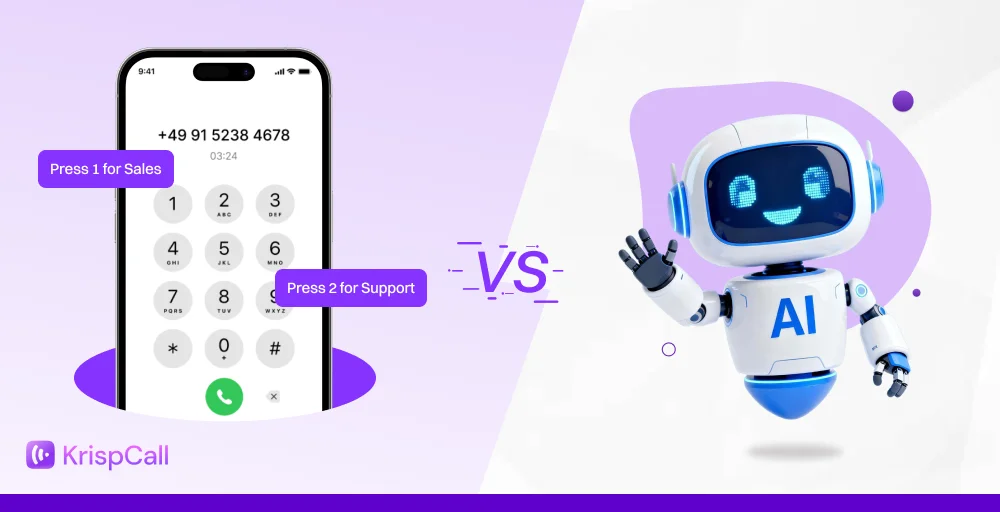
A cold transfer means the call is transferred to another agent without mentioning the customer’s problems. A warm transfer, on the other hand, is when the first agent talks to the next agent before passing the call, so the customer doesn’t have to repeat themselves.
In this article, we’ll explain both types of call transfers, when to use them, and how choosing the right one can improve your call center strategy.
What is warm transfer?
Warm transfer, also known as attended transfer, occurs when the first agent transfers the call to the next agent, providing key details about the customer’s inquiries.

This ensures a second service agent is fully prepared to assist without needing the customer to repeat themselves.
Warm transfer examples:
Let’s look at the example of warm transfer:
Customer service agent: Hi James, thanks for calling [Company Name]. I see you’re concerned about being charged twice on your last bill. I’m really sorry to hear that. Let’s get it sorted out right away.
To help you as quickly as possible, I’m going to connect you with one of our billing specialists who can look into your account and fix the issue for you.
Customer: That sounds good. Thanks for your help!
(Brief hold music)
Customer service agent: Good news, James! I’ve connected you with a billing expert named Sarah. She’s already reviewed your account and knows about the double charge, so you won’t have to explain everything again.
(Call transfers)
Billing agent: Hi James, this is Sarah from the billing department. David filled me in on the duplicate charge and shared your account details with me. Let’s take a look and get this resolved for you.
Customer: Hi Sarah, I appreciate it, thank you!
Warm transfer improves customer experience because they never have to repeat their issue with multiple agents. This shows that your business cares and prioritizes customer satisfaction, building loyalty.
What is a cold transfer?
Cold transfer, also known as blind transfer, is a process where the first agent transfers the customer’s call to another agent or department without discussing the customer’s inquiries or issues. The second agent is completely unaware of the customer’s problem.
That means the customer needs to explain their queries again to the second agent. This might be frustrating as prospects need to repeat the same queries again and again to different agents.
Cold transfer example
Let’s understand clearly with a cold transfer example:
Customer service agent: Hi ma’am, thank you for calling [Company Name]. How can I assist you today?
Customer: I just noticed I’ve been charged twice. Can you tell me why?
Customer service agent: I see, let me transfer you to our billing department. They’ll be able to help you with this.
(Call is transferred without briefing the next agent.)
Billing agent: Hello, this is the billing department. How can I assist you today?
Customer: I was charged twice on my last bill. Could you please check and help me with that?
A cold transfer can often lead to a poor customer experience. In this type of transfer, the call is passed directly to another agent without any context or background information.
As a result, the customer is forced to repeat their issue, something that can be frustrating and time-consuming.
Cold transfer vs warm transfer: What’s the difference?
A call can be transferred in two ways from one agent to another: cold transfer or warm transfer. The difference between them comes down to how much the customer and the next agent are informed during the handover.
Here’s the breakdown based on a few important points like their definitions, how the customer feels, and how much time it takes to handle the call:
| Factors | Cold Transfer | Warm Transfer |
| Definition | The call is transferred to the next agent or department without giving any prior information about the caller. | The caller is introduced to the next agent after briefing them about the issue. |
| Customer experience | Often feels abrupt and disconnected. | Smooth call flow and more personalized transition. |
| Context sharing | No context is shared; the new agent starts from scratch. | The previous agent explains the issue before the handoff. |
| Call handling time | Quicker for the first agent, but may increase resolution time. | Takes slightly longer initially, but speeds up overall resolution. |
| Professionalism | It may seem impersonal or careless to the caller. | Appears more attentive and professional. |
| When to use | When urgency or volume requires quick routing, or no extra info is needed. | When the issue is complex or the caller needs reassurance and context is crucial. |
| Example situation | Transferred to billing without explaining the issue. | Calling billing, saying: “Customer is upset about a double charge on their bill.” |
When to use cold vs warm transfer
Deciding when to use a cold or warm transfer depends on the urgency and complexity of the customer’s issue.
Cold transfers work well for quick, straightforward calls that need fast routing. Warm transfers are better suited for complex or sensitive matters that require personalized attention and continuity.
When to use warm transfer
- When the information is secret and sensitive
- When a customer is upset or angry
- When a customer is looking for a specific agent to solve the issues promptly
When to use cold transfer
- When a call agent is experiencing a massive number of calls
- When callers want basic information, no need for a specific agent
- When callers wish to have a conversation with a particular agent
Cold transfer or warm transfer: which one is better for your business?
Selecting between cold transfer and warm transfer depends on your business goal and the purpose you want to serve the customers. Various factors should be considered while choosing a call transfer.
1. Urgency vs. personalization
If your business handles quick, straightforward inquiries, cold transfer can save time by routing calls quickly. It also reduces the average handle time, which can improve the first call resolution.
However, if customers’ inquiries are complex, emotional, or tied to a customer’s history, a warm transfer with context passed between agents adds personalization, builds trust, and boosts satisfaction.
2. Call volume
If your business experiences high-volume calls, cold transfer can help agents manage call queues faster by quickly passing calls to the right department without delay. Nonetheless, small enterprises that focus on giving a personal touch should consider warm transfer.
3. Customer satisfaction
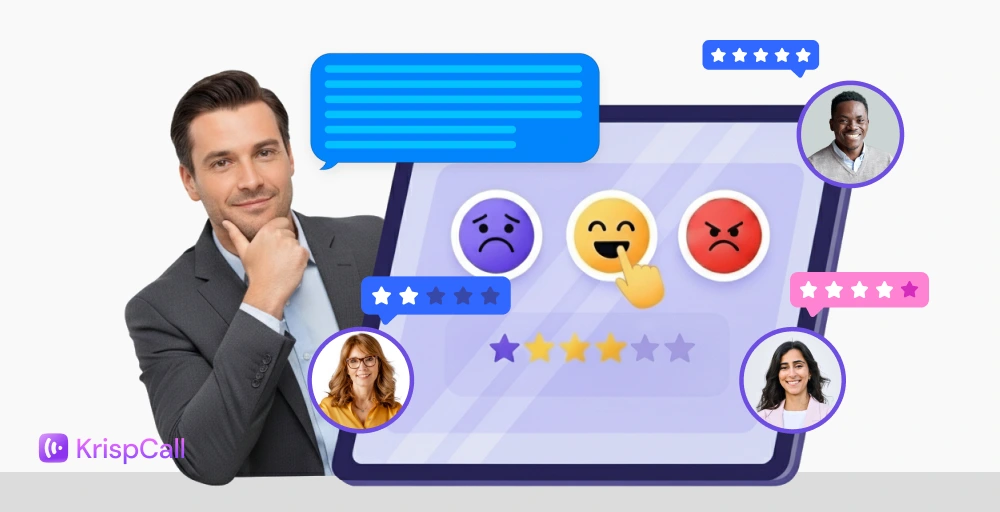
Companies that prioritize customer satisfaction should opt for warm transfers. Though they take more time, they help avoid frustration and create a more positive impression by eliminating the need for the customer to repeat themselves.
4. Technology and integration
Cold transfers, though fast and simple, often lack context, especially without integrated systems, causing customers to repeat themselves. Without CRM or VoIP integration, the process feels disconnected and impersonal.
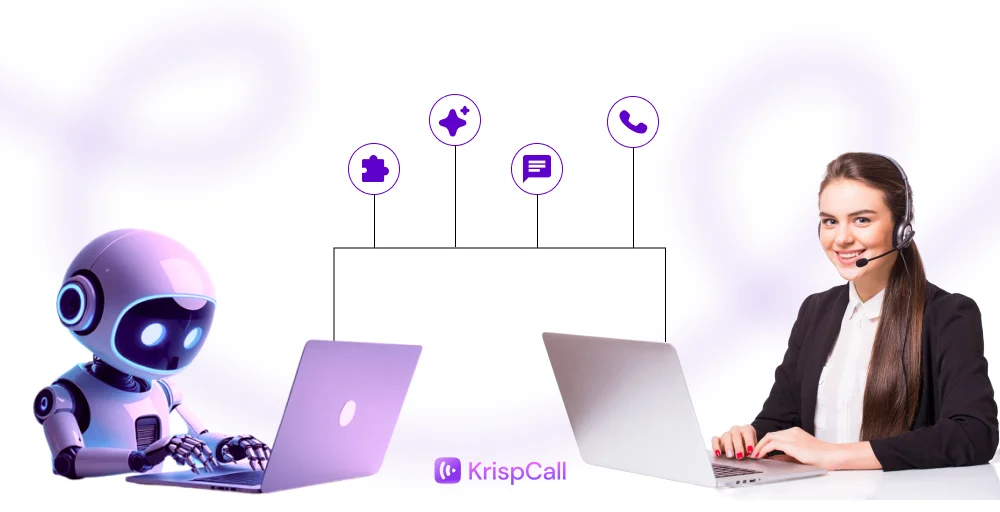
In contrast, warm transfers use tools like CRM and unified platforms to share real-time information, making the interaction smoother and more customer-friendly.
5. Cost considerations
Cold transfer may be relatively cheaper compared to warm transfer, requiring less time and fewer system resources per call. However, explaining repetitive issues can lead to customer dissatisfaction and affect the company’s brand.
In contrast, warm transfers, while slightly more time-consuming, can reduce repeat calls and increase first-call resolution, ultimately lowering long-term support costs and improving customer retention.