

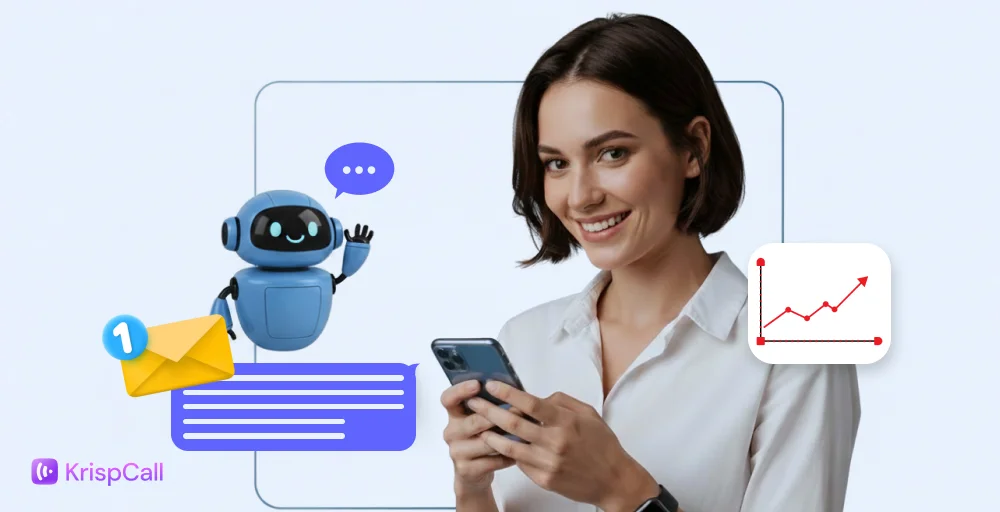
Imagine sending messages to more than a thousand people, typing manually. This sounds really exhausting and time-consuming, yet it still fails to mark for many customers. That’s where AI-powered SMS marketing changes everything.
Customers expect messages to feel personal, relevant, and timely. With machine learning, smart automation, and predictive insights, businesses can automatically send the right message to the right person at the right time.
In this blog, we will explore the definition of AI-powered SMS marketing, top use cases for businesses, and the step-by-step processes to build your own AI-driven SMS strategy.
✨ Key Takeaways
- AI SMS marketing analyzes customers’ behaviors, preferences, and past interactions to send personalized messages.
- AI predicts the best time to send messages based on individual engagement patterns and purchase cycles.
- AI automatically groups customers based on demographic, behaviours, and engagement patterns.
Can AI be used in SMS marketing?
Yes, AI can be used in SMS marketing. AI SMS is text messaging using artificial intelligence to automate conversations, personalize messages, and improve customer engagement.
In the AI SMS vs traditional SMS approach, the biggest difference is how messages are sent and personalized.
AI SMS marketing sends messages based on customers’ demand, behavior, and preferences. It automatically tailors the messages and segments the audience, unlike conventional SMS marketing. Tools such as machine learning, predictive texting, and natural language processing enable SMS campaigns to identify customers’ wants and interests.

In traditional SMS text marketing, the same messages are sent to everyone, and it also requires manual scheduling and follow-ups. In contrast, AI-powered SMS marketing is about automating replies, follow-ups, and reminders, and predicting the best time to send texts.
AI-powered SMS marketing use cases for your business
AI-powered SMS marketing can be used for various tasks to keep your conversations smooth and effective. This also ensures that every message is interactive and more helpful. Some of the benefits are explained below:
1. Hyper-personalization at scale
AI analyzes customers’ preferences and behaviors based on their previous purchase history. And then tailors messages accordingly. Even when sending thousands of messages to customers, it ensures that each message is relevant and personal.
For example, a retailer can send an SMS to someone looking for yoga mats. Sending messages like “ we noticed you have been checking yoga mats. Here is a new arrival you might like.”
2. Optimal send time prediction
Customers have different preferred times for being active in messages. AI predicts the exact time when customers are most likely to respond to messages through past customers’ purchase cycles.
For instance, AI sends a promotional message when customers are usually free or during a lunch break. This ensures every message is seen and read, improving engagement rates and conversion.
3. Predictive analytics
AI examines customers’ past purchases, browsing behavior, and engagement patterns to predict what they are likely to buy next. By understanding these trends, businesses can send timely, relevant messages that encourage repeat purchases and boost sales.


For example, the Store can send a message like “Your favorite snacks are back in stock, order now before they run out !” It doesn’t just increase sales; it helps businesses anticipate customer needs, reduce churn, and create more personalized experiences that build loyalty over time.
4. Automated A/B testing
AI tests multiple versions of messages by sending them to small segments of the audience. Compare them and then pick the best-performing ones. The best versions are sent to the large audience to maximize engagement.
An example of A/B testing in SMS is testing different call-to-action phrases, “Shop Now” vs. “Grab Yours Today”, to identify which generates higher sales. This test is a strategy to select the best techniques to target and attract potential customers.
5. Smart segmentation
AI creates precise groups based on several factors, like demographic, past behavior, preferences, and engagement patterns. This allows businesses to target the right audiences and boost conversions.
For instance, the gym company sends workout tips and gear recommendations only to fitness-focused customers. Additionally, an online clothing store can target customers who frequently buy summer wear with seasonal promotions, while sending winter collection alerts to those who shop for colder seasons.
Must-have AI capabilities in SMS marketing platforms
When using AI for SMS marketing, you must have essential tools to create smart messages, predict customer behavior, and target the right audiences. Here are the crucial capabilities, AI platform must have.
- Natural language generation for message creation: AI can automatically generate engaging, personalized text messages for different customer segments.
- Sentiment analysis for response handling: This tool helps to understand customer emotions in responses and categorize them as positive, negative, or neutral. Eventually, it allows businesses to respond appropriately and improve customer satisfaction.
- Predictive send-time optimization: Sending messages at the preferred time is essential to make them more interactive. It identifies the best times to send messages to each customer based on their past behavior and engagement patterns.
- Behavioral triggers and automation: AI can automate messages based on customer actions or events, such as abandoned carts, purchase anniversaries, or app activity.
- Integration capabilities (CRM, analytics): The platform should seamlessly connect with CRM systems, analytics tools, and other marketing software to unify customer data and insights for smarter campaigns.
- Compliance and consent management: AI ensures that messages are sent only to customers who have opted in and helps maintain compliance with SMS marketing laws like TCPA, GDPR, or local regulations.
- Real-time performance dashboards: AI platforms should provide dashboards that track delivery rates, engagement, conversions, and other key metrics in real-time. This allows marketers to optimize campaigns quickly and make data-driven decisions.
How to implement an AI-powered SMS marketing strategy
To implement an AI-powered SMS marketing, you need to follow specific steps.
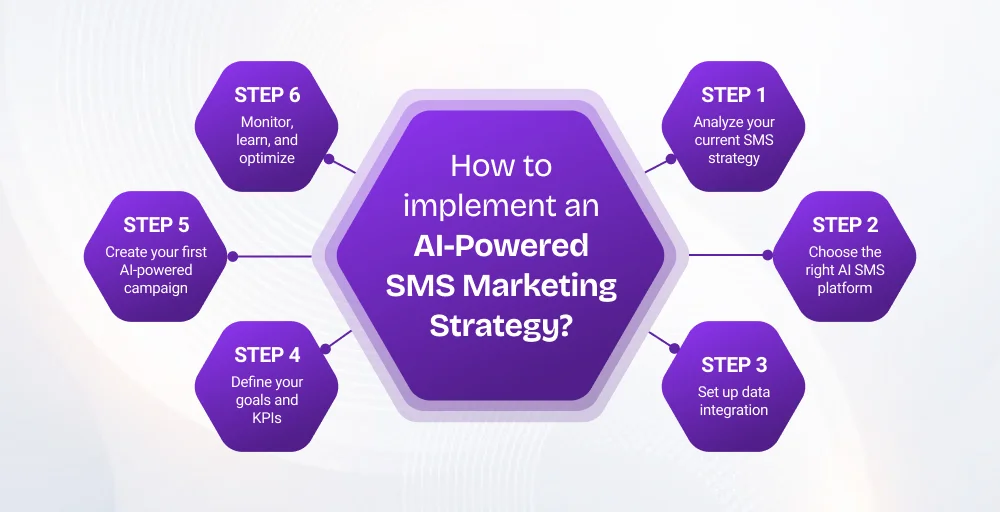
Step 1: Analyze your current SMS strategy
The first step is to look at your existing SMS campaign. Check which messages performed well and which ones are ignored. Identify patterns, such as which types of messages attract a large audience. This analysis helps you understand strengths, opportunities to seize, and areas for improvement.
Step 2: Choose the right AI SMS platform
After analyzing your current SMS strategy, the next step is to select a platform. That must offer AI capabilities such as predictive send times to reach customers, smart segmentation to deliver relevant messages, and automated A/B testing to know which messages perform best. Ensure that it is easy to use and fits your business needs, and helps your business to meet its goals.
Step 3: Set up data integration
Connect your AI platform with CRM integrations, analytical tools, and datasets. These data help to gather information about customers and understand their needs, preferences, and behavior. Allowing personalized and relevant messages for each customer while maintaining engagement.
Step 4: Define your goals and KPIs
Each business has its own unique goals and objectives. Therefore, it is essential to know the goal that you want to achieve, such as increase sales, boosting repeat purchases, or enhancing customer engagement. Setting realistic, time-bound goals and metrics will guide your campaigns and help measure results.
Step 5: Create your first AI-powered campaign
Make your campaign using AI features like personalized messages, predictive timing, behaviour triggers, and automation. Send personalized product recommendations based on past purchases. Check your campaign to see whether it works, and learn what needs to be done to scale up.
Step 6: Monitor, learn, and optimize
Last but not least, track the performance in real-time to identify trends. Sending your campaign is not your last stop. See which messages get the most opens and reacts from customers, how timing affects engagement, and which customer segments respond best.
Types of AI-powered SMS campaigns
AI makes it easier to send messages that match each customer’s behavior and needs. Here are some of the most effective AI-driven SMS campaign types and how they work:
1. Abandon cart recovery
AI can identify customers who added items to their cart but left without purchasing. In such cases, AI analyzes the customer’s behavior and how long they viewed the product, past buying patterns, and price sensitivity to send a relevant message.
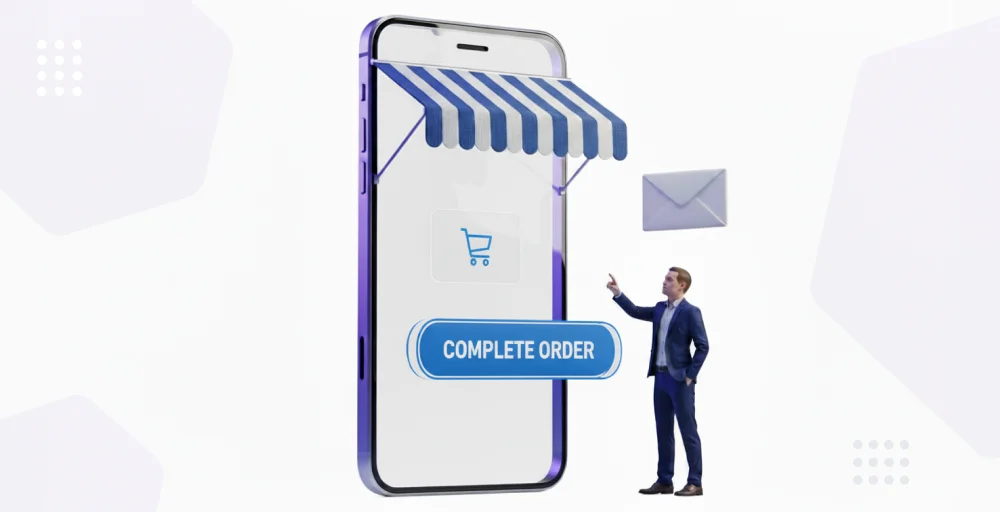
The message may include dynamic discount suggestions, urgency-based triggers, or a friendly reminder at the perfect time. This significantly improves conversion rates because the message feels timely, relevant, and personalized.
2. Back-in-stock alerts
AI monitors inventory levels and customer interest signals like product views, wishlist additions, or restock notifications sign-ups. When a product is available again, it automatically sends targeted SMS alerts to users who are most likely to buy.
AI even prioritizes high-intent customers and can personalize the alert with size, color, or variant details. This creates instant sales spikes because people appreciate getting notified exactly when something they want becomes available again.
3. Personalized promotions
AI uses customer data, purchase history, browsing behaviour, demographic info, and engagement patterns to create offers that feel personal. Instead of sending one promotion to everyone, AI generates personalized deals such as you might like based on your last purchase.
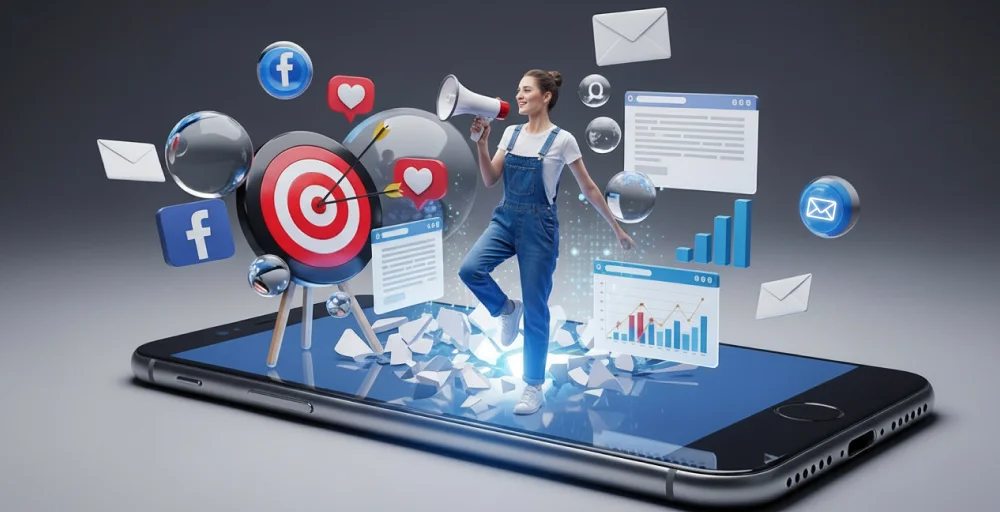
This level of personalization boosts sales and also makes customers feel understood as their messages align with their interests and wants.
4. Post-purchase engagement
AI continues the conversation even after the purchase. It can send order updates, care tips, product recommendations, or request reviews, keeping customers engaged long-term. Providing every update can build a friendly environment and increase trust, and keep the brand’s image in customers’ minds even after a sale.
For instance, “Your headphones are on the way! Want tips on getting the best sound? Check this out.”
5. Re-engagement campaigns
For customers who haven’t interacted in a while. AI identifies the right time and message to bring them back. It may use incentives, reminders, or friendly check-ins based on behavior signals.
AI understands what type of messages will work. For example, “We’ve missed you! Here’s a 10% welcome-back offer to explore what’s new. Customers are more likely to respond and return.
6. VIP and loyalty programs
AI makes loyalty programs smarter by automatically identifying customers who shop frequently or spend more. AI creates segments and sends special perks to the right people, such as early access to new arrivals, birthday surprises, or exclusive discounts. For example, “Hey, Sarah! As a VIP member, you get first access to our new collection. Shop 24 hours early: {link.}”
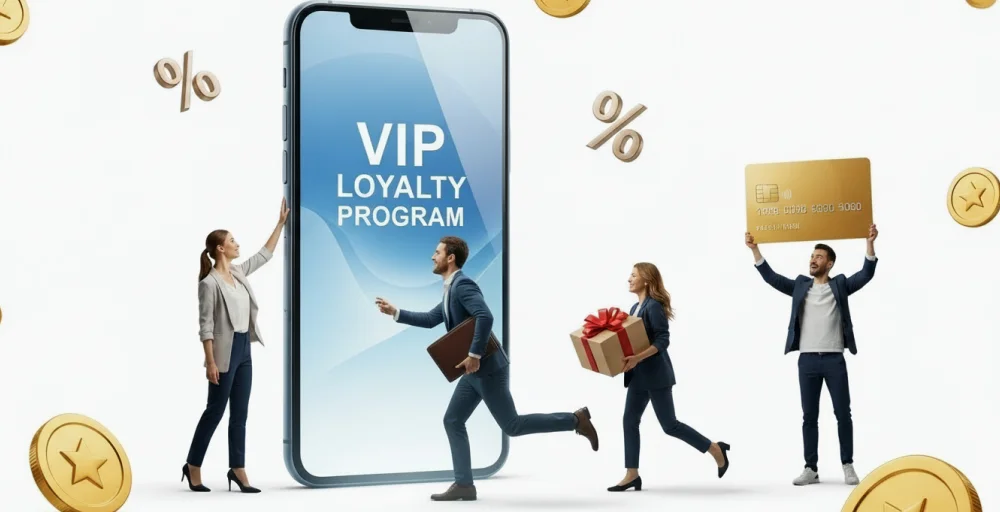
This makes loyal customers feel valued, appreciated, strengthens brand connection, and encourages repeat purchases.
Best practices to boost AI SMS marketing results
To get the most out of your AI-powered SMS campaigns, it’s essential to follow some proven best practices that maximize engagement, conversions, and overall effectiveness.
1. Maintain proper consent and compliance
Follow regulations such as TCPA, GDPR, and local SMS laws to protect your business and build customer trust. Before sending a message to each customer, make sure to have their consent.
Example: Before sending promotional offers, customers must agree via a website form or at any checkout option. Additionally, AI can automatically segment only those who have given permission, reducing the risk of non-compliance.
2. Balance SMS frequency
Sending too many messages to customers can annoy them and can also reduce engagement. Use AI to analyze engagement patterns and find the right frequency for each audience segment.
Example: AI might detect that a customer engages more on weekends and automatically schedule messages accordingly. Sending weekly promotions instead of daily texts keeps customers interested without overwhelming them.
3. Include clear CTAs
Every message should tell the customer exactly what to do next. Clear CTAs make your texts actionable and drive conversions.
Example: “Shop today and get 20% off! Click here to redeem your code: [link]” or “Reply YES to confirm your appointment.” AI can even test different CTAs to see which generates the highest response.
4. Use conversational AI for two-way messaging
AI chatbots can respond instantly to customer queries, provide personalized recommendations, and guide them through the purchase journey. This makes SMS more interactive than a one-way broadcast.
Example: A customer texts “Do you have this in size M?” and the AI replies immediately with availability, price, and a purchase link. This improves the user experience and can boost sales.
5. Test and iterate continuously
AI allows you to test multiple versions of your messages and identify what works best. Regular testing ensures your campaigns improve over time.
Example: You can A/B test “Flash Sale: 20% off today only!” versus “Exclusive 20% discount just for you!” and send the higher-performing version to the rest of your audience. Continuous iteration helps optimize engagement, clicks, and conversions.
6. Combine with other channels
SMS works best as part of an integrated marketing strategy. Combining texts with email, social media, or app notifications increases visibility and reinforces your message.
Example: Notify customers via SMS about a flash sale, follow up with an email reminder, and send a push notification to your app users. AI can help orchestrate these channels for maximum impact.
7. Respect opt-out immediately
Always honor unsubscribe requests promptly. This shows customers you respect their preferences and helps maintain trust and legal compliance.
Example: A customer replies “STOP” to opt out. Your AI platform should instantly remove them from future campaigns and confirm the opt-out with a polite message, improving ROI.
Key metrics for AI-powered SMS campaigns
To know whether your SMS campaign is working as per the expectations, it needs to track the right metrics. These KPIs help you measure performance, identify strengths, and know areas of improvement.
Primary KPIs
- Conversion rate: This reflects the number of recipients that have completed the desired action, such as making a purchase, signing up, or confirming an appointment. A high conversion rate indicates your message, timing, and targeting are matched well with AI.
- Click-through rate (CTR): CTR measures how many people clicked the link in your SMS. It reflects the relevance of your message and the strength of your call-to-action.
- Revenue per message: This shows you how much revenue each SMS generates on average. It’s a direct way to understand the financial impact of your AI-powered campaigns and compare different segments or promotions.
- Return on investment (ROI): ROI measures how much you earn compared to what you spend on SMS campaigns. Tracking this helps you see whether AI automation, segmentation, and optimization are delivering real value.
Engagement metrics
- Open/read rates: This metric Tracks how many messages were opened or read, shows initial engagement, and the effectiveness of your sender ID or message preview.
- Response rates: This measures how many recipients replied or interacted. High response rates show your messages feel relevant and conversational.
- Opt-out rates: This reflects how many people unsubscribe after receiving your SMS. A rising opt-out rate signals issues with message frequency, targeting, or relevance.
- Time-to-conversion: This tracks how long it takes for users to take action after receiving your text. Fast conversions indicate well-timed, well-crafted messages.
AI-specific metrics
- Prediction accuracy: AI tools predict the best send times, customer behavior, and likely outcomes. Tracking accuracy shows how reliable these predictions are and helps improve the model over time.
- Personalization effectiveness: This measures how well AI-tailored messages perform compared to generic ones. Higher engagement and conversion rates indicate that AI personalization is working.
- Automation efficiency gains: This shows how much time and effort automation saves compared to manual work. It can include faster campaign setup, reduced human workload, and better performance.
AI SMS Marketing Success & Insights
AI is transforming SMS marketing by making it smarter, faster, and more personal. Businesses can use AI to tailor texts based on customer behavior, preferences, and timing. Customers receive messages that feel relevant and helpful, increasing the chances they will engage, click, or make a purchase.
With KrispCall, businesses can fully leverage AI-powered SMS. It allows you to automate campaigns like abandoned cart reminders, promotional offers, back-in-stock alerts, and appointment notifications. You can manage all these messages from a single platform, making it easier to stay organized, save time, and maintain consistent communication with your audience.
Businesses using KrispCall see higher engagement, better response rates, and more sales without extra effort. By combining AI insights with automated text messaging, KrispCall turns messaging into a powerful growth tool.