


When your phone rings, you expect to see a name (if it is saved in your device) or a number. If your screen displays “Private Number” or “No Caller ID,” it creates an immediate dilemma: is this a professional callback or a persistent scammer?
In 2026, hidden callers are increasingly common. They range from professionals protecting their personal numbers to AI-driven bots masking their origins. Deciding whether to answer a private number call requires a careful balance between necessity and digital security.
This guide explains what is a private number, how to handle these mysteries, and the best ways to prevent unwanted interruptions without missing the calls that actually matter.
✨ Key Takeaways
- Not every private number call is a threat, as many professionals, such as healthcare providers and legal advisors, use them to maintain personal boundaries and security.
- When answering a call from a private number, remain cautious and verify the caller’s identity before proceeding with the conversation.
- Use built-in smartphone settings, such as Silence Unknown Callers on iPhone or Block Unknown Callers on Android, to automatically filter out private-number calls and redirect them to voicemail.
- Using a virtual number or registering on the Do Not Call list significantly reduces the frequency of private-number calls.
What does private number mean?
When a private number appears on your caller ID, it simply means the caller has intentionally hidden their identity. Instead of seeing a standard phone number or a contact name, your screen displays terms like Private, Restricted, or Blocked. This happens when someone uses a specific prefix or adjusts their device settings to mask their private caller ID.
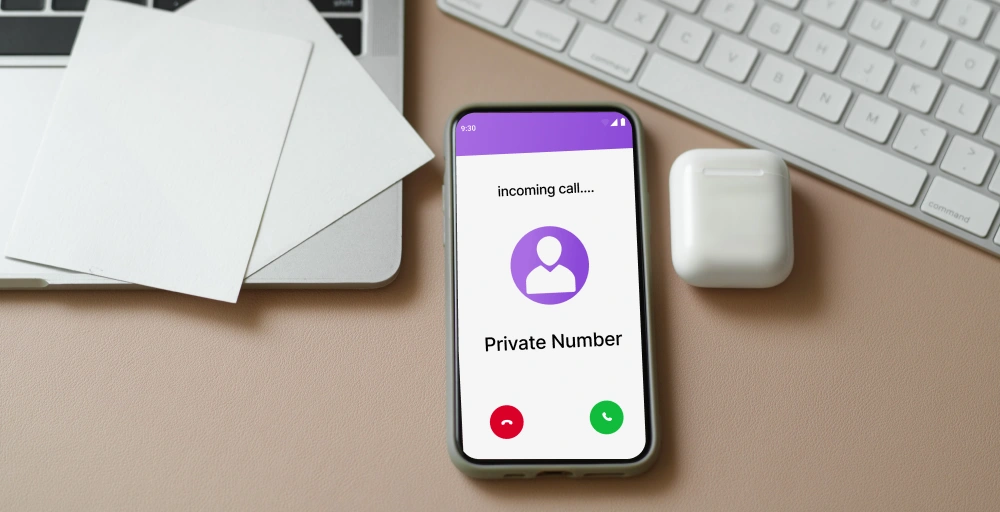
A private number doesn’t always signal a scam or telemarketer. Many legitimate professionals, like doctors, lawyers, or government officials, use this feature to maintain boundaries and protect their personal numbers.
As VoIP and virtual numbers have become standard, private-number calls often fall outside strict privacy protocols. However, anonymity is a double-edge sword. While these tools protect the caller, they also make it harder for the recipient to verify who is on the other end, as a call from a private number isn’t always harmless.
5 Common reasons a private number calls you
When you get a call from private numbers, the motives often range from cold calling to corporate security to basic personal privacy.
So, here are five common reasons:
1. Professional boundaries
Doctors, lawyers, and social workers often use a private number when calling from personal devices. This ensures they provide care or advice without giving out a direct line that recipients could call outside business hours.
2. Government and law enforcement
Agencies often hide their numbers to protect security and operational integrity. If a government official or investigator needs to reach you, the call often appears as restricted to prevent their direct lines from being leaked.
3. Telemarketing and sales cold call
Businesses with aggressive sales teams sometimes hide their identity to increase pick-up rates. Since many people ignore business lines, these callers use a private phone number to bypass the initial hesitation a recipient might feel.
4. Automated VoIP systems
Large corporations using advanced VoIP setups sometimes have misconfigured outgoing headers. If their system isn’t set up correctly, your phone might display Private simply because the network couldn’t pass the VoIP caller’s data through the gateway.
5. Scams and fraudulent activity
Scammers often use a private number to bypass spam filters and hide their location. Common 2026 tactics include AI-generated voice cloning, which makes the caller sound like a friend or family member in distress.
Should you answer a private number call?
Deciding whether to answer a private number call usually depends on your current expectations. If you are waiting for a callback from a medical professional, a legal representative, or a government agency, you should consider picking up. These organizations frequently mask their private numbers to protect their internal extensions.
However, let the caller speak first and remain skeptical. A legitimate caller will identify themselves immediately and won’t pressure you for sensitive information.
For most situations, the safest protocol is to let the private number go to voicemail. Legitimate callers will leave a message explaining their intent, whereas scammers often hang up when they hit an automated greeting.
How to handle calls from no caller id?
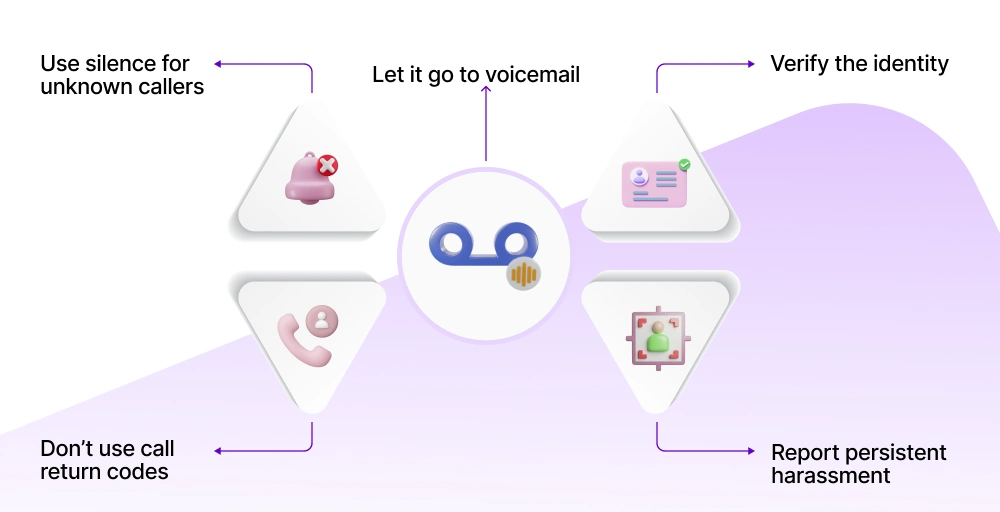
To handle calls from no caller id, follow these strategic steps:
- Let it go to voicemail: Most legitimate professionals who use a private number will leave a detailed message. If the caller hangs up without a word, it was likely an automated system or a scammer testing if your line is active.
- Use silence for unknown callers: Both iPhone and Android offer settings to automatically filter out calls from private numbers. By enabling this, any call from a private number or unlisted digit will be sent straight to voicemail, allowing you to review the intent later.
- Verify the identity: If you do answer a private number, never volunteer your name or details first. Ask the caller to identify themselves and the organizations they represent. If they claim to be from a bank or government agency, hang up and call that organization back using their official, public phone number.
- Don’t use call return codes: You might see advice on how to call back a private number using codes like *69. In 2026, these are largely ineffective against modern VoIP masking. Often, these codes only work for the last displayed number, and can sometimes lead to premium-rate charges.
- Report persistent harassment: If a private number calls you repeatedly, contact your service provider. While they won’t usually reveal the identity to you directly, they can trace private number calls for legal purposes or help you implement network-related blocks to stop the harassment.
How to identify who called from a private number?
Unmasking a private call is notoriously difficult because the privacy is applied at the network level before the signal even reaches your device.
However, if a phone call from a private number persists, use these strategies to identify the caller:
1. Use third-party demasking apps
Applications like TrapCall or Truecaller are designed to unmask private-number calls. These services work by redirecting the incoming private call to their own server, stripping away the Private or Restricted label, and then sending the call back to your phone with the actual private caller ID displayed.z
2. Dial return codes (with caution)
In some regions, dialing *69 (in the US) or 1471 (in the UK) immediately after the call ends may reveal the digits. While this doesn’t always work, especially when the caller has used sophisticated private number masking, it can sometimes bypass basic caller ID blocking to provide a number to report.
3. Check your service provider logs
Most mobile carriers keep detailed records of every incoming transmission, including those labeled as private numbers. Log in to your online billing portal and check your call history or usage logs. The raw digits of a private call will appear in your statement even if they were hidden on your screen.
4. Cross-reference with search engines
If a private caller number is revealed through a de-masking app or a call log, perform a reverse phone lookup. In 2026, many VoIP-based scams are documented in real-time on community forums, helping you confirm if the private number is a known bad news or a legitimate business.
How to prevent private number calls?
While you cannot prevent someone from attempting to hide their digits, you can take proactive steps to ensure these calls never reach you.
Here are the most effective ways to prevent private number calls from disrupting your day:
1. Audit your online presence
Avoid displaying your phone number on social media profiles or public forums. Scammers frequently use scraping tools to collect phone numbers from your About Me sections, even if your profile is set to private.
2. Use built-in silence features
On iPhone, go to Settings > Phone > Silence Unknown Callers to send any call from a private number straight to voicemail.
On Android, open the Phone app > Settings > Block Numbers and toggle on Block calls from unknown numbers.
3. Be skeptical of surveys and forms
Online freebies and surveys are often fronts for data collection. Before giving out your number, read the privacy policy to ensure they don’t sell your contact information to third-party telemarketers who use private caller ID masking.
4. Install spam filters
Third-party apps have evolved significantly in 2026. These tools use vast databases to identify the behavior patterns of private number calls and block them in real-time before they even trigger your screen, often labeling them as Potential Spam.
5. Register for national registries
Sign up for the Do Not Call list in your country (such as the FTC registry in the US or the TPS in the UK). While this won’t stop criminals, it legally prevents reputable companies from making a private call for sales purposes.
6. Use a virtual number
If you must share your contact info online, use a VoIP or virtual number instead of your primary line. This adds a layer of separation, so if a private number starts targeting that secondary line, you can simply delete it without changing your actual personal phone number.
Wrapping Up
Answering private number calls without the right strategy can expose you to unnecessary risks, ranging from annoying spam to sophisticated AI-driven scams. By using built-in smartphone filters, third-party demasking apps, and voicemail for verification, you can mitigate the risks of an unwanted call and maintain control over your personal security.
For a more permanent solution to communication privacy, you can opt for KrispCall, a phone service provider offering a professional-grade VoIP infrastructure. This system includes advanced call filtering and management tools that let you block nuisance calls on your personal line and ensure only verified contacts can reach your device directly.